

Microcement bathroom finishes have quickly become the preferred choice for homeowners who crave a seamless, modern look with less long-term maintenance than tile. But achieving premium results—and cost-efficiency—requires more than just applying a decorative coating. When properly waterproofed and installed by a skilled professional, microcement can rival or undercut tile on price, while delivering a grout-free, minimalist finish that stands up to everyday wear.
Key Takeaways
- Microcement bathrooms deliver a smooth, seamless look without grout lines, and can be cost-competitive with tile when installed and waterproofed correctly.
- Professional installation and substrate waterproofing are crucial—owner-reported durability issues almost always trace back to installer shortcuts, not the product.
- Routine cleaning with gentle products and resealing every 3–5 years are essential for maintaining stain resistance and longevity.
- What is microcement and why it’s trending for modern bathrooms
- Seamless microcement wall installation—step-by-step for durability
- Most common durability & maintenance issues homeowners report
- Conclusion + recommended next steps
- Quick FAQ
What is microcement and why it’s trending for modern bathrooms
Microcement is a specialty cement-based coating, troweled in thin layers to create a seamless, stone-like surface across walls, floors, vanities, and showers. Unlike traditional tile, a microcement bathroom has no grout lines to clean or replace. Designers and architects choose microcement for modern bathroom remodel projects where a smooth, uninterrupted finish matters. When properly sealed, microcement is highly resistant to stains and abrasions—a trait described by researchers as behaving “like natural stone.”
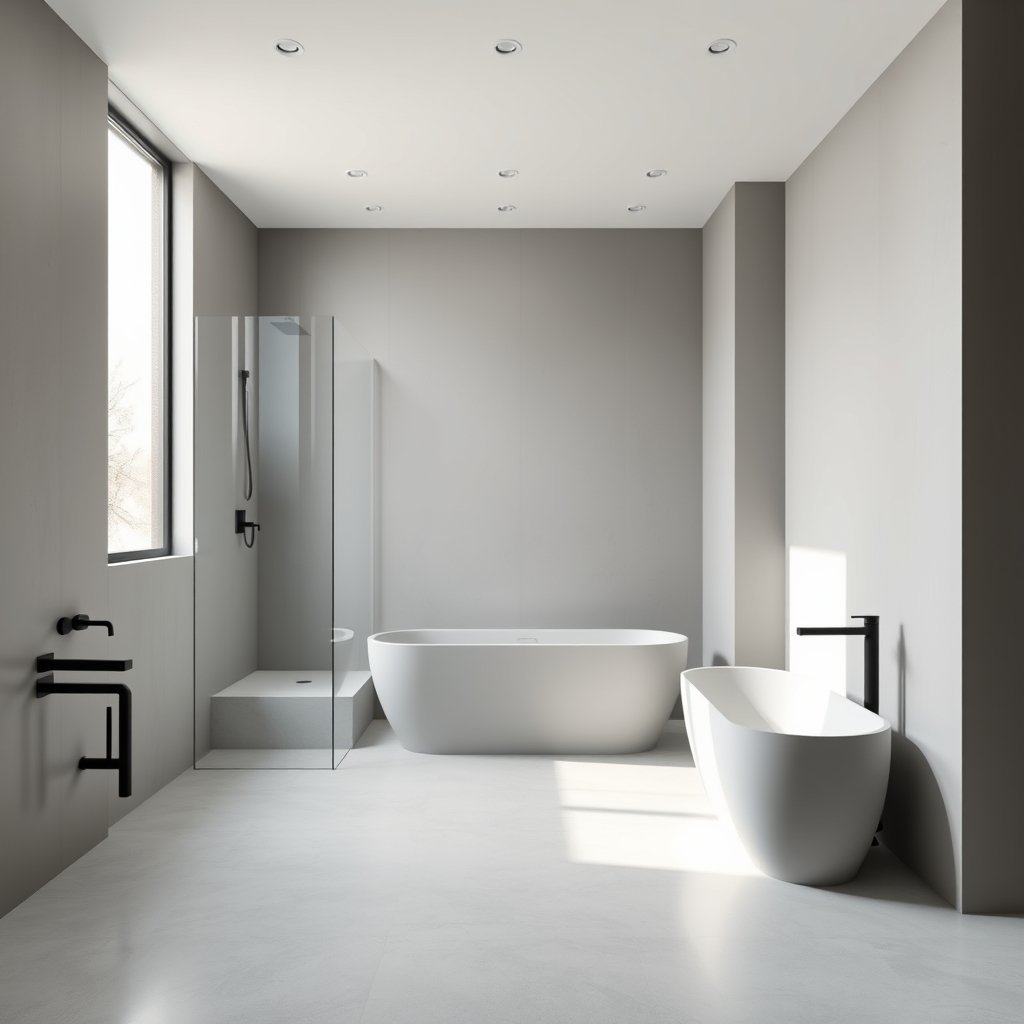
This material allows uninterrupted flow between bathroom walls, floors, and even built-in niches or sinks. The result is a minimalist aesthetic that’s easy to clean. With no grout, there are no joints for mould to take hold, making microcement especially appealing for those seeking a hygiene-forward, modern look.
Seamless microcement wall installation—step-by-step for durability
While the look of microcement walls can be stunning, getting lasting results means following precise installation steps. Cutting corners (literally and figuratively) leads to the most common durability complaints. Here is a realistic, pro-level overview of how experienced installers tackle a seamless bathroom design:
- Substrate Evaluation: Check all wall and floor surfaces for stability, flatness, and compatibility. Microcement mirrors flaws in the underlying surface.
- Waterproofing & Reinforcement: Apply a dedicated waterproof membrane (such as a roll-on or sheet membrane) or install moisture-resistant building boards. Reinforce all joints, corners, and changes of plane with fiberglass mesh embedded into the first coat of microcement.
- Crack & Expansion Control: Ensure substrate movement—like settling or temperature changes—will not telegraph through and crack the microcement. Proper expansion joints in the backing, careful planning, and mesh reinforcement prevent costly issues.
- Base Coats: Apply at least two to three microcement base layers, allowing each to dry and sanding them smooth. This builds up hardness and surface integrity.
- Finish Coats: Add one or more thin, colored finishing coats for the final appearance. Sand each layer between coats for a perfectly smooth finish.
- Sealer Application: Use a high-grade polyurethane or speciality sealer in two or more coats for long-lasting, water-repellent performance. Allow full curing before subjecting to wet use.
- Water Tightness & Quality Checks: After full curing, test the surface—especially corners and shower floors—to confirm water resistance. Inspect for chips or thin spots before signing off.
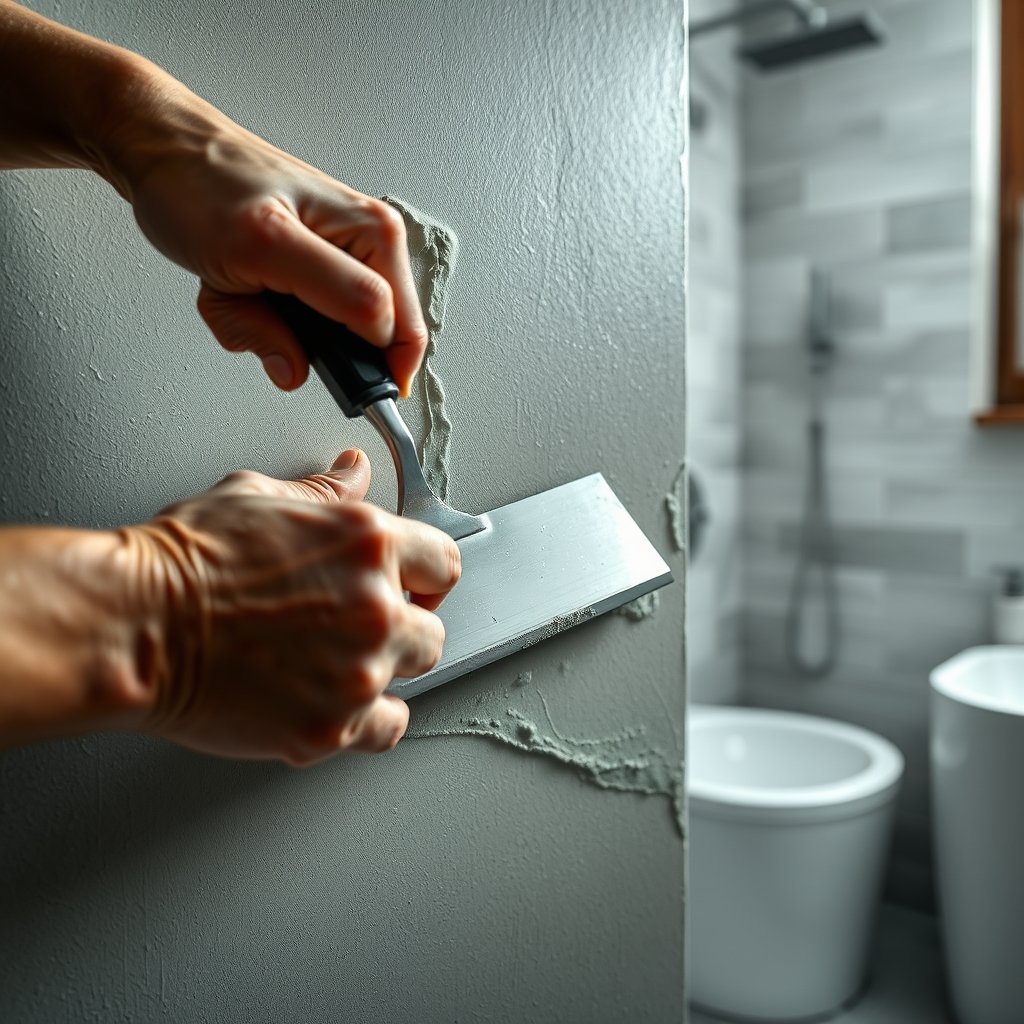
The entire process for a small bathroom typically spans 5 to 7 days, due mostly to drying times between each step. Rushing can lead to moisture getting trapped or incomplete coating thickness, which shortens the system’s life.
Get more detail on microcement walls installation or see how seamless bathroom design compares to other remodeling options.
Most common durability & maintenance issues homeowners report
While microcement boasts excellent durability when installed correctly, real-world problems usually trace back to missed details in preparation and ongoing care. Recent user feedback and research highlight these main failure points:
| Problem | Root Cause | Prevention |
|---|---|---|
| Water seeping at corners or behind finish | Insufficient waterproofing membrane or neglected mesh reinforcement in joints | Ensure full membrane system & mesh at all corner transitions |
| Hairline cracks, especially after a few months | Substrate movement, lack of expansion joints, or rushed drying | Stabilize substrate, allow proper curing, use flexible mesh |
| Dullness, surface discoloration, or stains | Sealant worn, harsh chemicals, or standing water allowed | Reseal every 3–5 years, clean with pH-neutral cleaners only |
| Mold growth at wall or floor joins | Sealant breakdown in corners, accumulation of soap scum/moisture | Inspect seals periodically, prompt repair of damaged sealant |
Homeowners often believe microcement itself has failed, when the problem is almost always inadequate substrate prep, skipped waterproofing steps, or neglect of routine maintenance. For more on durability, see this detailed exploration of microcement in Austin remodels.
The best way to avoid these headaches is by choosing an installer who can demonstrate a completed, tested, and properly sealed waterproof microcement system—including photos, warranty terms, and clear aftercare instructions.

Conclusion + recommended next steps
For homeowners planning a modern bathroom remodel, microcement offers a striking, seamless surface that eliminates grout lines and simplifies cleaning for years to come. But it is not a shortcut material: cuts in waterproofing or application quality directly jeopardize long-term performance. Cost-wise, a microcement bathroom currently averages £150–£250 per m² (about $120–$200 per ft²), or $5,000–$9,000 for a 6–8 m² room—comparable to or slightly below high-end tile, with lower maintenance over time (full cost breakdown here).
Checklist for decision-makers:
- Prioritize installers who provide a written substrate and waterproofing plan (not just verbal assurance).
- Demand mesh reinforcement in all corners and transitions—especially in showers.
- Budget for resealing service every 3–5 years and accept routine, gentle cleaning as part of your maintenance commitment.
- Request before-and-after photos, a warranty, and ongoing support references.
If you’re ready to pursue a seamless, waterproof microcement bathroom, schedule a professional assessment or share your project details for a tailored quote.
Quick FAQ
Is microcement waterproof?
Microcement itself is water-resistant when sealed. For wet zones like showers, proper installation—including a waterproof membrane or moisture-resistant board underneath—is essential. Relying only on the surface seal is risky.
How long does a microcement bathroom last?
With correct installation and maintenance, a microcement bathroom can last 15 years or more. Lifespan depends on substrate stability, regular resealing, and using gentle, pH-neutral cleaners.
How often should microcement be resealed?
Professional guidance and research recommend resealing every 3–5 years. Homes with high usage or hard water may need annual spot treatments. This step is much less frequent than tile regrouting.
Can microcement be installed over existing tiles?
Yes, microcement can usually be installed over stable, well-adhered tiles—provided the surface is clean, level, and prepared with primer. The installer must still ensure a robust waterproofing layer where needed. For this, a installed over existing tiles is highly recommended.
Is microcement a DIY project?
No, this is not a weekend DIY. Skilled application, careful waterproofing, and proper drying times are required to avoid cracks and water ingress. Expect 5–7 days for a professional to finish an average bathroom.
[…] more smart remodel tips? See our full waterproofing guide for wet […]
[…] high marks in cities and HOA communities. For more permit-free design ideas, explore our guide to removable, seamless finishes […]
[…] even more prep ideas, check out our guides for waterproof bathroom finishes or see how the right eco water heater boosts home value prior to renovation. Smart technology, when […]
[…] more ideas for a low-waste bathroom? Explore materials like microcement for bathrooms and see our picks for limewash paint for a full eco-friendly home […]