

### Blog Post:
Peel and stick backsplash products are transforming rental kitchen makeovers with an affordable, fast, and removable solution that protects your walls without risking your security deposit.
Key Takeaways
- peel and stick backsplash tiles offer renter-friendly, low-cost kitchen upgrades that protect walls and are easy to remove.
- Proper prep work, including a removable underlayer and small test patch, prevents wall damage and makes removal hassle-free.
- Common pitfalls include poor adhesion, heat resistance limits, and residue on removal—avoid these with smart prep and product selection.
- Why Peel and Stick Backsplash is a Game Changer
- Step-by-Step: How to Install a Peel and Stick Backsplash (Without Damaging Your Walls)
- Advanced Analysis & Common Pitfalls: What the Top Guides Don’t Tell You
- Conclusion
- FAQ
Why Peel and Stick Backsplash is a Game Changer
If you rent or just want a cheap kitchen makeover without hiring a pro, peel and stick backsplash tiles provide a unique blend of affordability, style, and removability. Unlike traditional tiling, which requires special tools and is almost impossible to uninstall cleanly, today’s stick on tiles can totally change the look of your kitchen in a single afternoon—and let you return everything to its original state when your lease ends.
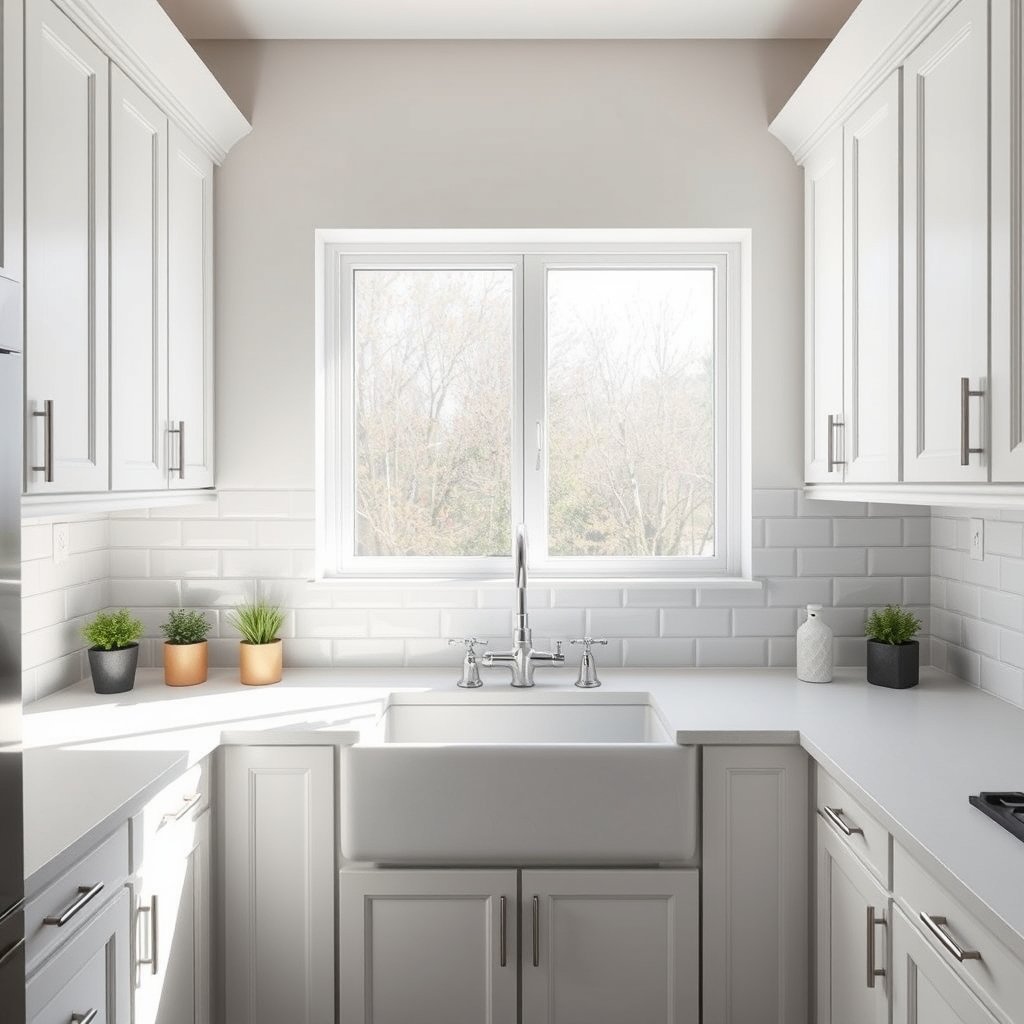
The real difference is cost and hassle. Traditional tile costs around $25 to $40 per square foot installed (including $15 to $25 for tile and $10 to $15 for labor), while peel and stick backsplash averages $5 to $10 per square foot (source: stickwoll.com). For renters, this not only saves money but helps avoid landlord disputes if upgrades “damage” the unit (see renter discussions).
You don’t have to settle for boring finishes either. Many peel and stick backsplashes convincingly mimic ceramic, stone, or even mother-of-pearl at a fraction of the cost—making them a favorite for DIY kitchen backsplash projects. Best of all, you can remove or update them any time, which is impossible with grout and ceramic. If you need more convincing, check out this kitchen backsplash remodel case study.
Step-by-Step: How to Install a Peel and Stick Backsplash (Without Damaging Your Walls)
Ready to upgrade? Here’s a no-nonsense workflow to keep your kitchen walls safe and your install crisp:
-
Measure Your Space
Carefully measure wall area to cover. Multiply height by length for each section, rounding up to account for mistakes and seams. Typical backsplashes are 18 inches tall and run the length of countertops.
-
Plan Your Layout
Dry-fit sheets before peeling adhesive backing. Stagger seams for a natural look. Use painter’s tape to preview placement and plan cuts around outlets or corners.
-
Prepare the Wall
- Wipe walls with degreaser (especially near stoves).
- If walls are glossy or textured, lightly sand and wipe clean.
- Next, install a layer of removable contact paper or peelable wallpaper for DIY landlord-safe insurance.
- Let all surfaces dry fully.
-
Test Patch
Pick a 1 square foot spot, apply one tile and leave for a day. Make sure there’s no damage, peeling, or glue bleed-through on the underlayer. If you see issues, try a different tile brand or switch to a thicker underlayer like thin foam core.
-
Cut to Fit
Score tiles from the back with a utility knife and snap. For outlets or corners, use a cardboard template and cut tiles by hand. A plastic putty knife helps tuck edges for a factory look.
-
Install Tiles
Peel, press, and smooth from center out to edges. Overlap seams slightly for waterproofing. Use a seam roller for best bond—avoid stretching tiles to fit.
-
Final Touches
- Wipe clean with a soft cloth.
- Avoid placing stick on tiles directly behind an open flame or where hot pans frequently hit the wall (kitchen backsplash safety guide).
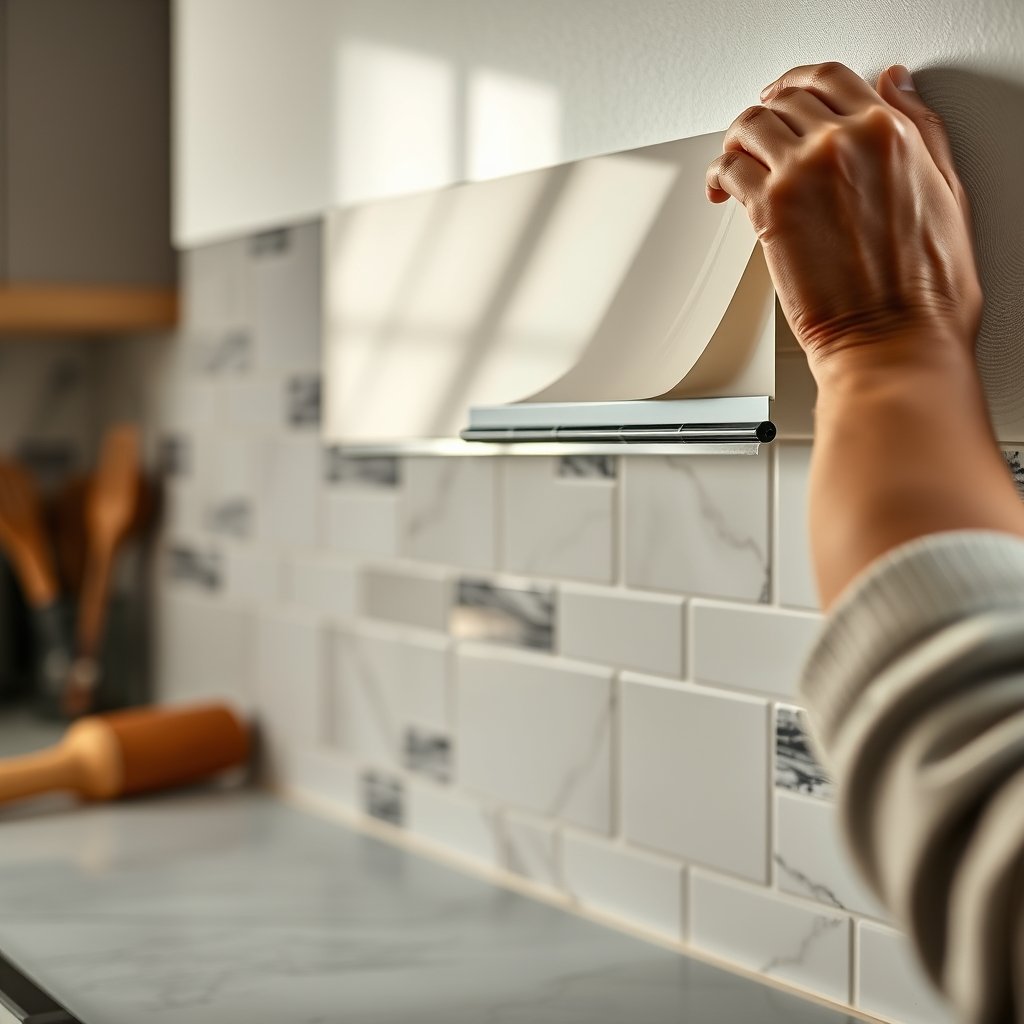
- Realistic install time: Most DIY kitchen backsplash jobs are done in 1-3 hours. Small accent areas may take as little as 30 minutes (source).
- Tools you’ll need: Ruler, level, utility knife, painter’s tape, cleaning wipes, and a seam roller.
- For maximum removability and zero wall damage, always use a removable underlayer and test patch first—competitor guides rarely mention this critical step.
If you want even more walkthroughs, check out our step-by-step stick on backsplash installation guide.
Advanced Analysis & Common Pitfalls: What the Top Guides Don’t Tell You
Peel and stick backsplash isn’t perfect. Skip the hype and learn what goes wrong—so you can avoid it.
| Common Problem | What Causes It | Best Fix/Prevention |
|---|---|---|
| Poor Adhesion (Bubbles, Peeling) | Dirty walls, moisture, or textured paint; skipping test patch | Clean and sand the wall, use a removable underlayer, always test first |
| Messy Adhesive or Glue Residue | Tiles with strong or cheap adhesive, high humidity | Buy reputable brands, use contact paper barrier, remove tiles slowly with gentle heat |
| Unconvincing Appearance | Glossy plastic look, visible seams, misaligned edges | Choose premium or textured finishes, align with painter’s tape, use a seam roller |
| Heat or Grease Damage | Installing behind stoves or too close to burners | Keep peel and stick backsplash away from direct flame; use as accent elsewhere in the kitchen |
| Wall Damage on Removal | No underlayer, aggressive adhesive, rushed removal | Use underlayer, soften tiles with a hairdryer or heat gun, peel slowly, clean gently with safe adhesive remover |
Unlike most kitchen backsplash ideas for renters guides, always document before and after installation with photos—ideal for lease returns. And if you want to compare with classic tiling, see our ceramic vs peel and stick backsplash comparison.
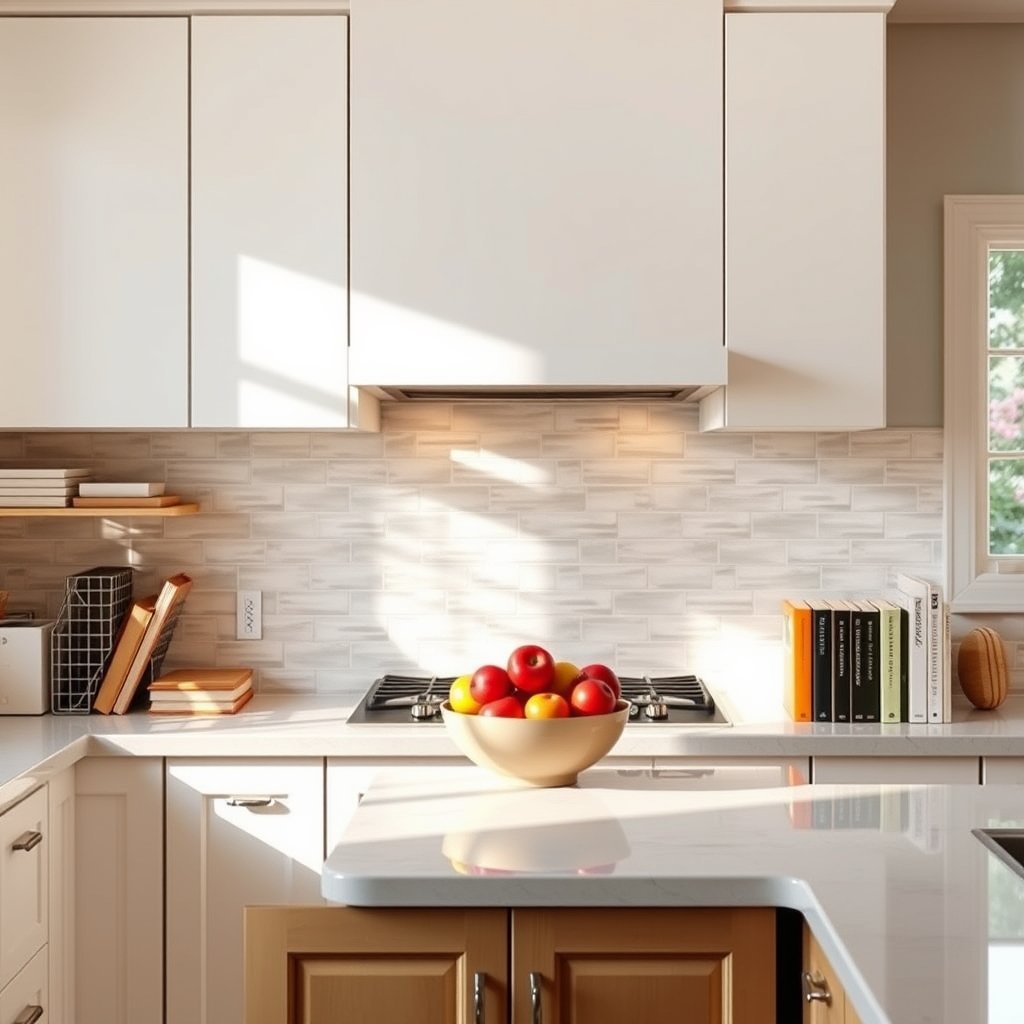
If you’re installing over existing tile or a textured surface, always apply a thin removable plywood, MDF, or thick contact paper as a backer—never stick directly to rough or uneven finishes (see guidance from thehomesihavemade.com).
Conclusion
Peel and stick backsplash systems offer an affordable, fast, and renter-friendly way to give your kitchen a facelift—without risking your walls, your lease, or your budget. With the right prep (removable underlayer, cleaning, and testing), you’ll avoid common pitfalls like damage and residue, and enjoy a professional result that you can remove or update anytime. Ready to upgrade? Start small: order samples, do a test patch, and use our peel and stick backsplash cost calculator to estimate your real spend. Protect your home—and your deposit.
FAQ
Will peel and stick backsplash damage my painted walls?
Proper use of a removable underlayer (contact paper, peelable wallpaper) and slow, heat-assisted removal protects painted drywall. Skip this, and you risk peeling paint or leaving adhesive behind.
Can I use peel and stick backsplash behind my cooktop or gas stove?
No—most stick on tiles are not tested or rated for open flame or direct heat. Keep at least 8 inches away from burners or use a heatproof alternative for that section.
How long does installation really take for a typical rental kitchen?
With basic prep, you can expect 1 to 3 hours for a standard kitchen. Small accent walls can be finished in 30 to 60 minutes.
What do I do if tiles leave sticky residue when I remove them?
Apply gentle heat (hairdryer or heat gun on warm, not hot), then slowly peel. Remove residue with Goo Gone, isopropyl alcohol, or a safe adhesive remover—but never scrub painted drywall too hard.
Is a test patch really necessary?
Yes—a small 1 sq ft test patch is essential for checking adhesion, removability, and finish on your specific wall. Always test first to avoid big (and expensive) surprises.
—
[…] or “remodel.” If you want to see samples, check the latest limewash paint ideas or renter-friendly backsplash solutions for great before-and-after visuals that started in AI […]
[…] more smart renovation ideas, check out our peel and stick backsplash […]
[…] more on making smart DIY upgrades, check out our guides on removable peel and stick backsplash or eco-friendly water heaters for all-around home […]
[…] you’re interested in more easy, non-permanent renovation ideas, also check out our guide on peel and stick backsplash for kitchens and […]
[…] more rental-friendly projects like peel and stick backsplash for quick upgrades without risking your […]
[…] for more renter-friendly upgrades? Check out our stick-on backsplash makeover ideas—many frame techniques apply to panels […]