

### Blog Post:
Garage gym flooring is the single most important upgrade you can make to protect your equipment, subfloor, and sanity—especially if you want your home gym setup to last and not cause issues with neighbors or expensive repairs down the line.
Key Takeaways
- Garage gym flooring choices in 2024 range from $1.00 to $4.00+ per square foot, with durability and impact resistance varying widely by material and thickness.
- Skipping subfloor prep, underestimating thickness for heavy lifts, and ignoring sound control are the most common—and costly—regrets with DIY gym flooring.
- Total cost includes more than just the flooring: plan for underlayment, adhesives, trim, tools, and the time or labor to install or fix problems later.
- Quick Decision Framework — pick flooring by primary use
- 2024 Cost & Durability Breakdown
- How Thick Should Your Garage Gym Flooring Be?
- Subfloor Preparation — the most commonly missed step
- Acoustic & Vibration Mitigation
- The True Total Cost — material price is only the start
- Installation Options: DIY vs Professional — when to pull the trigger
- Common Buyer Regrets & How to Avoid Them
- Maintenance, Longevity & Warranties — what to expect and when to replace
- Best Picks by Budget & Use Case
- 10‑Point Pre‑Install Checklist (printer‑ready)
- FAQ
Quick Decision Framework — pick flooring by primary use
If you want garage gym flooring that actually fits your needs and budget, start with a brutally honest assessment: what is your main training style and how much abuse will the floor take? Here’s a rapid guide to kickstart your decision-making for any home gym setup:
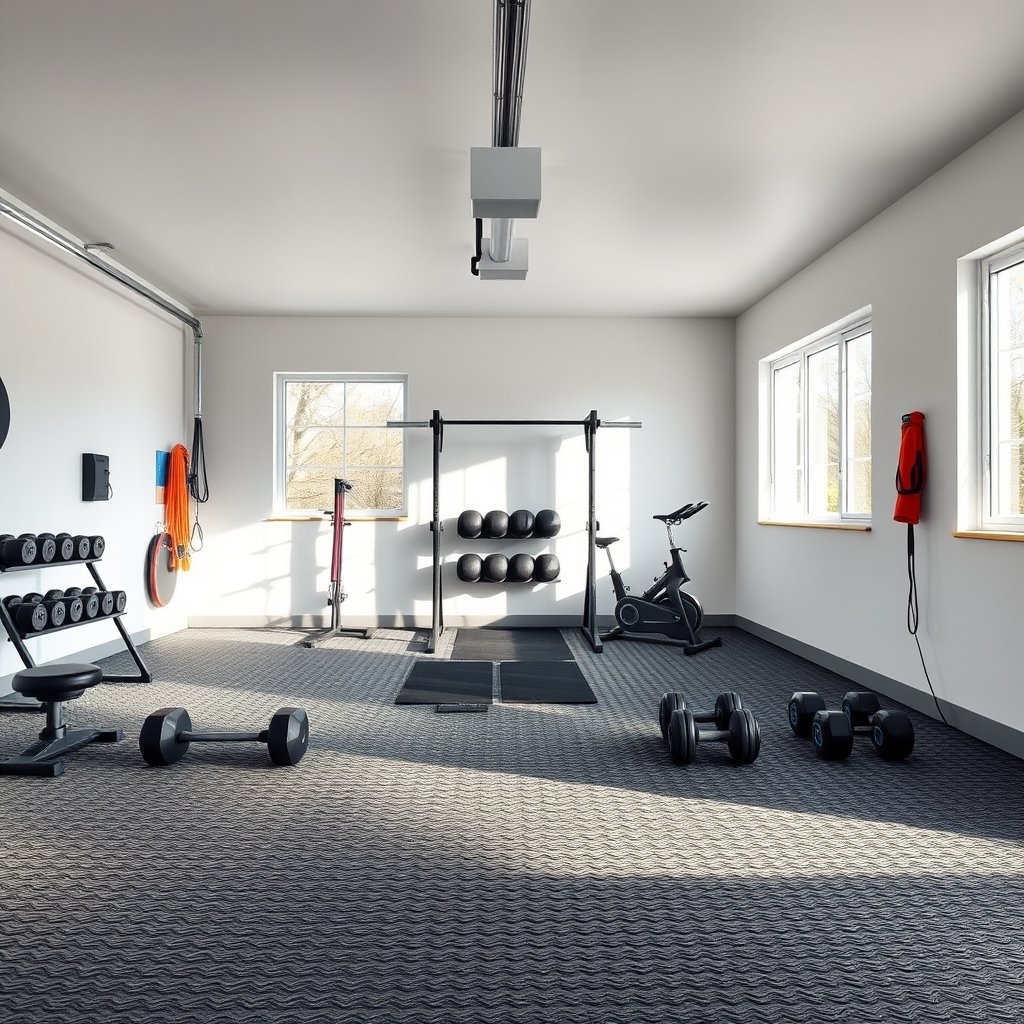
- Heavy Lifting or Olympic Lifts: Opt for 3/4″ stall mats or 1/2–3/4″ rubber gym tiles. Cost: ~$3/sq ft for heavy-duty options. Source
- Mixed Cardio + Weights + HIIT: 3/8″–1/2″ rubber rolls or mega‑rolls (~$1.96–$3/sq ft). If dropping weights, stick with at least 1/2″.
- Light Cardio, Yoga, or Stretching: Foam tile kits or light‑duty interlocking tiles ($1.00–$1.70/sq ft) suffice, but expect less durability if you up the intensity.
- Turf or Sled Use: Combine rubber underlay with a turf top for sleds or agility drills, but budget for both layers and pro install if you want long-term performance.
Whichever you choose, fit thickness and material to protect your gear, subfloor—and your wallet.
2024 Cost & Durability Breakdown
The price-per-square-foot tells only half the story. Here’s how 2024 options stack up for garage gym flooring and DIY gym flooring, plus what that actually means for home gym durability:
| Type | Typical Thickness | Durability (1=Low, 5=High) |
2024 Price Range ($/sq ft) |
Ideal For |
|---|---|---|---|---|
| DIY Foam Tile Kits | 3/8″–1/2″ | 2–3 | $1.00–$1.10 | Light use, stretching |
| Light-duty Interlocking Rubber Tiles | 1/4″–3/8″ | 3 | $1.50–$1.70 | Moderate weights, budget gyms |
| Mega‑roll Bulk Rubber | 1/2″ | 4 | $1.96* | General use, noise reduction |
| Heavy-duty Rubber Rolls/ Stall Mats |
1/2″–3/4″ | 5 | ~$3.00 | Heavy lifts, impact drops |
| Premium PVC Interlocking Tiles | 1/2″ | 4–5 | ~$4.00 | High-end, low odor, fast install |
*As low as $1.96/sq ft on sale. See source
Thick rubber consistently scores 5/5 for wear and impact, while thin foam or low-grade rolls may tear, separate at the edges, or retain odor. Buy once—install right—and you’ll avoid regrets for years.
How Thick Should Your Garage Gym Flooring Be?
Floor thickness isn’t just marketing—it’s what prevents broken floors, angry neighbors, and crushed weights. Here’s how to pick the right fit for your garage gym flooring and rubber gym tiles:
- Basic cardio/yoga/light equipment: 1/4″–3/8″ is enough. Usually foam or lightweight rubber.
- Frequent dumbbell/standard weight training: 3/8″–1/2″. This is the most popular roll size.
- Heavy lifts/barbells/oweight drops: Go no thinner than 1/2″, preferably 3/4″ stall mats. These can handle Olympic drops and protect both weights and subfloor.
In short, if you ever drop heavy weights, choose a minimum of 1/2″. Skimping here leads to broken concrete, noise complaints, and regrets that cost far more than thicker mats.
Subfloor Preparation — the most commonly missed step
Ninety percent of installation issues start with skipping garage workout room prep. It’s more than just sweeping up the dirt. Here’s what too many home gym owners overlook about DIY gym flooring:
- Clean & Degrease: Start with a fully clean, dry concrete base—no exceptions.
- Leveling: Use a 4-foot level and fill any major dips/holes, or mats can shift and edges separate after install.
- Moisture & Vapor Barrier: Garage slabs breathe. Use a moisture test. If needed, roll out 6-mil plastic or apply a vapor-seal primer before your main flooring. Source
- Add Plywood (if required): For tile systems or uneven slabs, some pros recommend a 5/8″ underlay of exterior-grade plywood. This flattens the surface and adds a buffer that improves noise deadening and stability.
Skipping this step is the number one regret and the root cause of shifting floors, failed adhesives, and mold issues. For a deeper, energy-efficient garage workout room upgrade, don’t miss our eco water heating guide.
Acoustic & Vibration Mitigation
Even the best garage gym flooring solution can’t stop every impact vibration or sound, but you can manage it with smart setup tactics. This is especially important for any garage workout room near bedrooms or shared walls:
- Underlayment Options: Cork, rubber underlay, or EVA foam pads under your main flooring drastically cut vibration transfer.
- Decoupling Systems: For serious noise reduction, use a floating floor with isolation pads or a sandwich of rubber + OSB (or plywood) between concrete and tiles.
- Stall Mats Placement: For barbell drops, double up mats or layer a lifting platform over main gym flooring to target impact zones.
- Seal Perimeter Gaps: Use rubber edging or heavy foam bumper strips to stop reverberation into adjacent rooms.
According to leading guides, sound and vibration control is one of the top three missed steps in garage gym builds, but addressing it early can prevent neighbor complaints and extend your equipment’s life. For smart solutions to other common home problems, you might also enjoy our leak detector guide.
The True Total Cost — material price is only the start
Material prices for garage gym flooring are only part of the total bill. Many regret not budgeting for every real-world line item—DIY gym flooring comes with hidden add-ons:
- Flooring Material: $1.00–$4.00+ per sq ft
- Underlayment: $0.40–$1.00 per sq ft for sound & moisture control
- Adhesives (if needed): $0.25–$0.75 per sq ft
- Edging/Perimeter Trim: $1.25–$2.00 per linear foot
- Tools/Supplies: Blades, tape, rollers, leveling compound
- Delivery/Freight: Especially on heavier rolls or mats
- Labor: $2–$4 per sq ft if you hire out (especially for pro glue/leveling jobs)
- Maintenance/Replacement: Plan for foam/low-grade tiles to need replacement after just a few years of hard use (source).
With all factors included, your “cheap” DIY kit could rival a premium option in total cost if you have to tear out and start over. Get your estimate right up front and add 10% for cut waste and unforeseen bumps.
Installation Options: DIY vs Professional — when to pull the trigger
If you’re handy, many garage gym flooring products are true DIY. Others are best left to the pros:
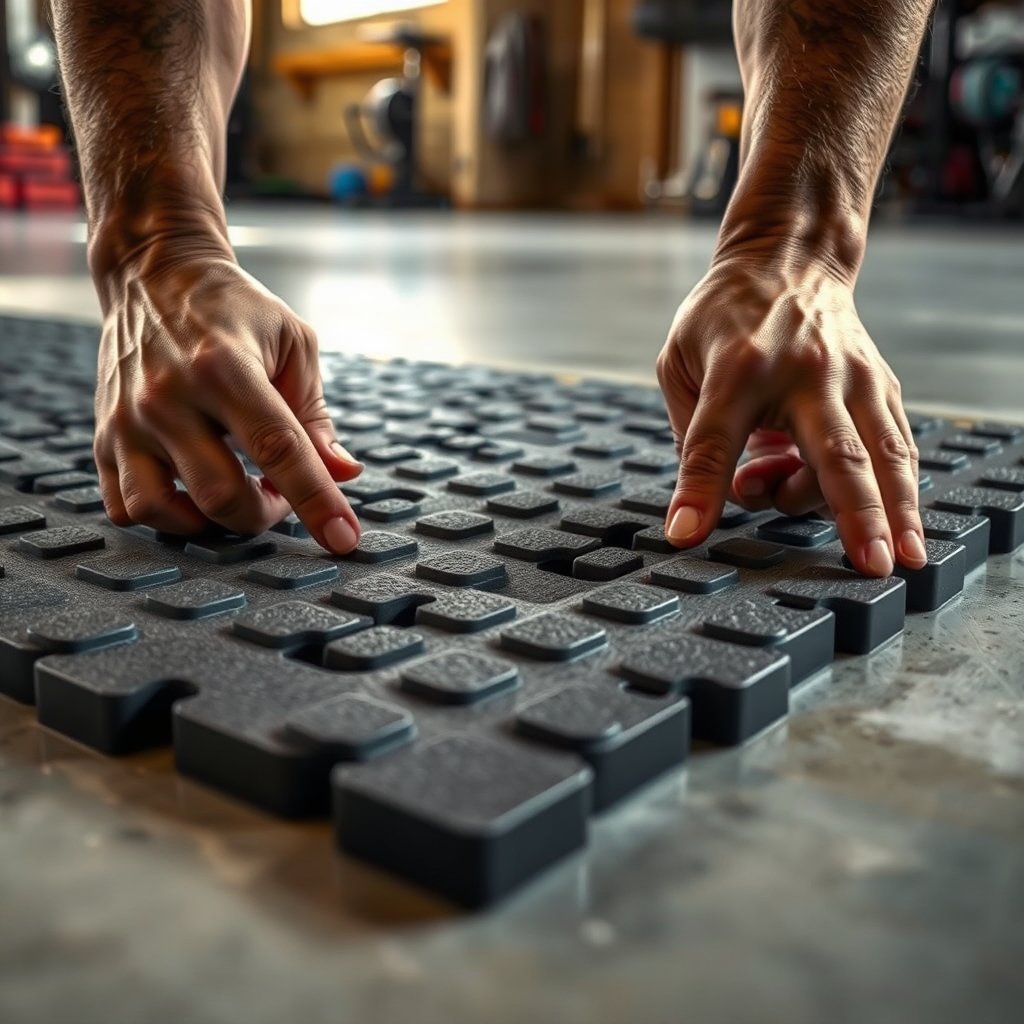
- DIY Friendly: Interlocking foam or rubber tiles, lightweight mega-rolls, peel-and-stick tiles (especially for renters or quick makeovers). Expect $1.00–$1.10/sq ft for foam, or as low as $1.96/sq ft mega-rolls.
- Pro Recommended: Full-room adhesive rubber rolls, premium tile systems, and anything involving full subfloor leveling (source).
- Why Hire It Out? If your floor is wavy or you need major moisture control, skilled install is worth every penny to prevent early failures.
Never underestimate the muscle and time required to haul, cut, and perfectly seam 100+ pound stall mats—a common reason DIYers call in pros after the first few hours.
Common Buyer Regrets & How to Avoid Them
Basing your home gym setup on price tags alone is almost guaranteed to land you in the four most expensive regret categories:
- Persistent Odor – Cheap or recycled rubber mats can off‑gas for months, especially in closed garages. Test a sample before committing, or choose low‑odor PVC tiles instead.
- Shifting or Buckling – Installing gym flooring on uneven slabs or old carpet leads to constant movement, edge separation, and even trip hazards. Level and ideally switch to a hard underlay.
- Insufficient Thickness – Using 1/4″ or 3/8″ rubber for heavy lifts can crack subfloors, chip concrete, and void warranties. Match thickness to lift style upfront.
- Moisture and Mold – Skipping moisture barriers or vapor sealers under flooring causes mildew, floor “bubbling,” or adhesive failures—sometimes within a single season.
Focus on what lasts, not just what’s cheapest. Take time to prep, choose the right thickness, and test product samples whenever possible.
Maintenance, Longevity & Warranties — what to expect and when to replace
With the right installation, thick rubber gym tiles or stall mats can last 10-20 years of serious lifting. Thin foam or bargain rolls will start to tear or delaminate in as little as 1-2 years of regular use.
- Cleaning: Use a simple mop and mild cleaner. Rubber is antimicrobial, but foam traps sweat and bacteria more easily.
- Odor: Some low‑cost rubber may always carry a faint rubber smell. Air new mats outside before install. For zero-odor, opt for premium PVC or synthetic options.
- Patching: Most tiles can be swapped out individually. Rolls or glued mats may require cutting/replacement of large sections if damaged.
- Warranty Traps: Many manufacturers offer only “limited” warranties voided by improper subfloor prep, moisture, or uneven install. Always check the policy before buying.
For seriously long-life flooring, thick rubber (3/4″ stall mats, 1/2–3/4″ tiles) stands at the top with 5/5 impact and wear scores. To get expert tips for other surfaces, see our limewash paint guide.
Best Picks by Budget & Use Case
You can choose the best garage gym flooring based on your real budget and intended use. Here’s a no-nonsense shortlist for every tier:
| Budget | Product Type | Price/Sq Ft | Why Pick It? |
|---|---|---|---|
| Budget | DIY foam tiles or light-duty interlocking rubber tiles | $1.00–$1.70 | Quick, lightweight installs for light cardio/stretching; affordable |
| Mid | Mega‑rolls or heavy-duty rubber rolls | $1.96–$3.00 | Great for mixed workouts, decent sound absorption, better wear |
| Premium | PVC interlocking tiles or commercial tile systems | $4.00+ | Best durability, modular design, very low odor, pro finish |
For barbell drops or Olympic lifts, stick to 3/4″ stall mats or heavy-duty tiles even if you have to stretch your budget—they’re always cheaper than repairing a cracked garage slab. Details.
10‑Point Pre‑Install Checklist (printer‑ready)
- Accurately measure your space (always add 10–15% for waste and odd cuts).
- Perform a moisture test on the concrete (tape down plastic overnight, check for condensation).
- Level the subfloor and repair any dips or cracks.
- Confirm you have the recommended thickness for your weights and cardio style.
- Decide on moisture/vapor barrier (6‑mil poly or specific primer).
- Test for odor (open a sample tile in your closed garage for 2–3 days).
- Plan edging and trim—don’t leave raw cut edges against walls or doors.
- Create your tool and supply list: blades, straight edge, leveling compound, chalk, mop, etc.
- Assemble your labor plan—can you realistically handle installation, or will you need a helper or pro?
- Budget for all materials—including underlayment, adhesives, trim, and delivery costs. Add a contingency buffer for mistakes.
Research shows that skipping prep, undercounting total costs, and using inadequate flooring thickness are the leading causes of post-install regrets in home gym setups.
FAQ
What is the best flooring for a serious garage gym?
For heavy lifting—especially with barbell drops—3/4" thick stall mats or 1/2–3/4" heavy-duty rubber gym tiles offer the best impact protection and longevity. For multipurpose or lighter workouts, 3/8"–1/2" rubber rolls strike a balance between performance and price.
Can I use foam tiles for my home gym flooring?
Yes, but only for light use. Foam tiles are budget friendly ($1.00–$1.10/sq ft), quick to install, and great for stretching or basic cardio. They aren’t recommended for dropped weights or heavy equipment—they’re prone to tearing and will wear out much faster than rubber.
How do I protect my subfloor from moisture and mold?
Always test for moisture before installing gym flooring. For garage concrete, use a 6‑mil plastic barrier or vapor-sealing primer. This step stops trapped moisture from causing mold under your mats or ruining adhesives.
Are there low-odor options for garage gym flooring?
Yes. Premium PVC interlocking tiles (~$4/sq ft) are engineered for low odor, and some higher-end rubber rolls are now available with minimal VOCs. Always test a sample in your garage before full installation to be sure.
Is a professional install worth the cost?
If you need to level the floor, install glued rolls, or want flawless seams—yes. Pros bring specialty tools and experience, and prevent expensive mistakes that can void flooring warranties. For basic interlocking tile or foam installs on flat concrete, most homeowners can DIY with basic tools.
—