

limewash paint has become the go-to solution for achieving an earthy, high-end matte finish in luxury interiors, especially among affluent homeowners and designers seeking a refined, natural aesthetic in 2024.
Key Takeaways
- Textured wall finishes like limewash and Roman clay have surged in luxury projects for their matte depth, sustainable sourcing, and ability to age gracefully.
- Success with limewash paint depends on substrate moisture testing, compatible primers, methodical layering, and strict climate control—critical areas often skipped by DIY guides.
- Decision points for hand-trowel versus spray application, ongoing maintenance, and real ROI are essential for project planning and must be discussed transparently with clients or contractors.
- 2024 market snapshot — why limewash & textured finishes are booming
- Why designers choose “luxury-by-nature” — aesthetics & use-cases
- Limewash & Roman clay: Step-by-step application & technical prep
- Substrate science — moisture, alkalinity, and primer compatibility
- Application techniques & tools — trowel, spray, & climate
- Specifying for bedrooms — acoustics, light, layering
- Sustainability and health — embodied carbon, VOCs, PPE
- Maintenance, repair and preserving the natural patina
- Cost, timelines and ROI for high-end projects
- Product selection & quick spec checklist
- Questions to ask before hiring a specialist
- Frequently Asked Questions
2024 market snapshot — why limewash & textured finishes are booming
The rise of luxury-by-nature finishes is real. In 2024, global limewash paint sales in the high-end residential sector surged by 12 percent year over year to about 1.2 billion US dollars. The textured wall paint market—which includes Roman clay, Venetian plaster, and other mineral finishes—grew nearly 9 percent to an estimated 1.5 billion US dollars [ROMABIO Paint Trends].
What’s fueling this boom? First, discerning designers and homeowners demand finishes that telegraph authenticity and a sophisticated, natural mood. Second, the demand is driven by the desire for surfaces that develop rich, unpredictable patina with age. Lastly, sustainability is non-negotiable at the top end—premium limewash products use mineral, low-VOC, and sometimes carbon-negative ingredients.
Why designers choose “luxury-by-nature” — aesthetics & use-cases
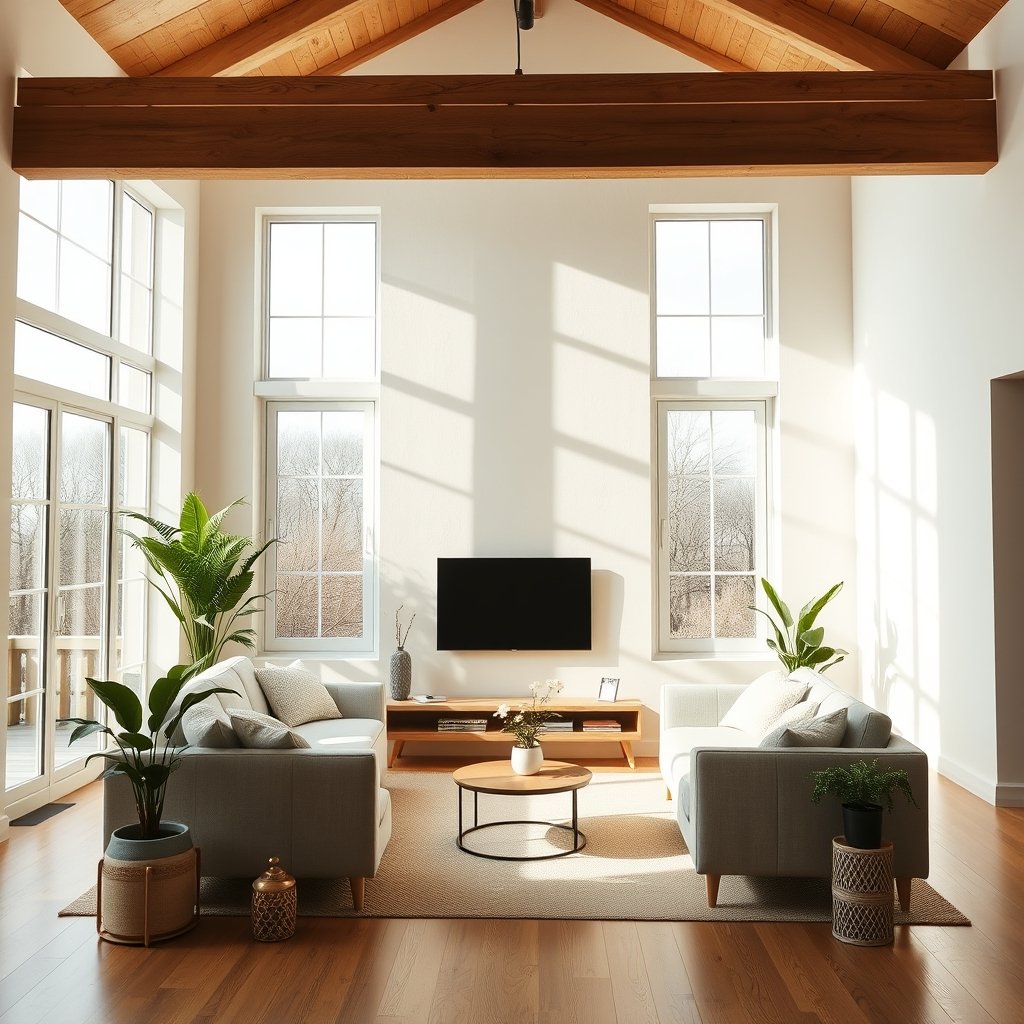
The “luxury-by-nature” approach is about depth, subtle warmth, and refinement. Limewash paint and Roman clay walls provide a matte, suede-like surface that absorbs and transforms light, creating a moody backdrop perfect for bedrooms, boutique hotel suites, and stand-out accent walls. These finishes are not rustic in the traditional sense—they blend with modern furnishings and luxe trims for calm, textured elegance.
Demand has been especially strong among designers specifying a limewash bedroom. Mineral layers give an “earthy interior design” character that feels immersive, yet soft. According to research, “designers prize the suede-like matte depth, eco-friendly mineral composition and the aging patina that adds timeless character.” Each surface is truly unique, thanks to subtle brush and trowel marks, mineral movement, and gradual color evolutions over time.
Limewash & Roman clay: Step-by-step application & technical prep
To achieve premium results with limewash or Roman clay, prep is everything. Ignore it and you’ll battle streaks, cracking, patchy color, or even failure to bond. Here’s a practical, designer-level playbook that emphasizes substrate testing, application sequencing, and climate management.
1. Assess and Prepare the Substrate
- Start with a thorough clean—remove dust, oil, wax, or loose paint. For previously painted walls, lightly sand to create “tooth.”
- Test for moisture: Use a digital moisture meter; aim for under 8 percent. Too much moisture leads to uneven curing.
- Test alkalinity on older plaster using pH strips. Neutralize alkaline surfaces if pH is above 10.
- Prime as needed with a breathable, mineral-compatible primer or specified low-VOC sealer. Avoid latex primers that block mineral exchange.
2. Application Method: Brush, Trowel, or Spray?
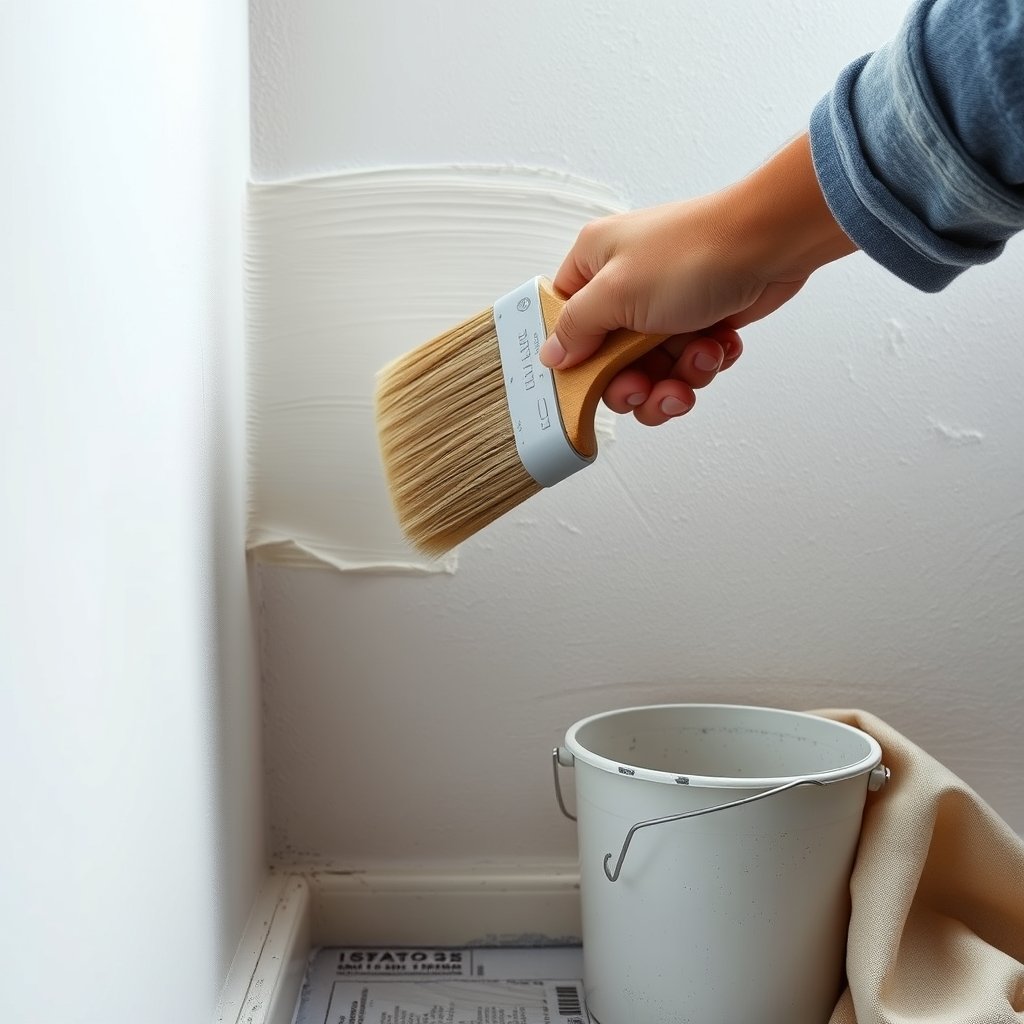
- Hand-brushed limewash: Classic look, soft variation, ideal for small feature walls and bedrooms. Use long, criss-cross brushstrokes.
- Hand-troweled Roman clay: Maximum texture and depth; higher labor, but delivers rich, layered color movement. Suited for focal walls.
- Spray application: Fast, especially on large or tall walls. Delivers more uniform coverage but may need back-rolling or softening for luxury effect.
3. Timing, Open-Time and Climate Controls
- Work in thin coats. Each coat must dry fully (8-24 hours for limewash; 4-8 hours for Roman clay). Avoid humid or frosty conditions.
- Maintain stable temperatures. For best results, keep rooms between 60-75°F and humidity under 60%.
- Two to four coats is standard for depth and durability. Lightly sand or polish between coats if a smoother matte is desired.
Case Example: DIY Feature Wall
A homeowner tackled a single 12 foot feature wall in their bedroom. After testing and priming their old plaster, they used hand-brushed limewash in a muted taupe. The result? A sophisticated, suede-matte texture—though they reported the drying and layering process took nearly a week due to high humidity. The key win: unique, gentle patterning and a serene, earthy finish that deepens at night.
Case Example: Pro-Specified Full Bedroom
An interior designer supplied a detailed spec: two-tone Roman clay for a guest suite, with a professional team deploying a mix of trowel and spray methods for efficiency on higher walls. Testing, priming, and low-dust control added a day to prep, but the seamless depth and acoustic quiet made the room feel enveloping—no echo, soft reflectivity, and a visually rich, luxury backdrop. Maintenance schedule and spot-repair instructions were left for the client.
Substrate science — moisture, alkalinity, and primer compatibility
The “science” of substrate prep is where most guides cut corners. While it’s tempting to work over any old wall, long-term durability and the famed natural patina depend entirely on picking the right base and primer.
- Old or crumbling lime plaster: Ideal—but must be clean, receptive, and below 8% moisture. Repair cracks first.
- Gypsum board: Requires breathable mineral-compatible primer.
- Previously painted walls: If paint is acrylic or latex, sand thoroughly and use an approved mineral-compatible primer.
- Modern low-VOC sealers: Many are compatible, but always check the manufacturer’s system spec for textured wall paint or roman clay walls.
The most overlooked step? Moisture and pH testing. Modern digital moisture meters cost less than a gallon of premium paint and will prevent 90% of issues related to uneven curing or efflorescence. Research [Priority Painting] shows the need for “compatibility… moisture testing… cost‑benefit of methods” to be on every job checklist.
Application techniques & tools — trowel, spray, & climate
The right tool and method transform the finish, but also dictate labor cost, cure time, and upkeep:
| Method | Finish Quality | Labor Hours | Best For | Common Issues |
|---|---|---|---|---|
| Hand Trowel (Roman Clay) | Rich depth, sculpted texture | High | Full rooms, luxury/boutique projects | Visible seams, fatigue, open-time drying |
| Brush (Limewash) | Subtle clouding, matte depth | Moderate | Feature walls, bedrooms | Streaking, lap marks, multiple coats |
| Spray System | Uniform, fast coverage | Low to moderate | Large expanses, quick turnarounds | Flatness, quick drying, spray drift |
Climate plays a huge role. Research [JH Wall Paints] confirms regional humidity and temperature can slow or accelerate cure time, alter the final shade, and impact future maintenance, especially on roman clay walls and rustic paint finish projects.
Specifying for bedrooms — acoustics, light, layering
In high-end bedrooms, a limewash bedroom is more than an aesthetic upgrade. Mineral-based textures passively dampen sound, softening acoustics for restful sleep—a feature often overlooked by designers. Light reflectivity is also critical: pale tones can amplify morning sun; deeper hues create a cocooning mood at night. Pair matte finishes with tactile fabrics (linen, boucle), and minimalist trims for understated sophistication in earthy interior design.
- Sample palette: Stone taupe, mist grey, deep olive, soft terracotta for Roman clay walls or limewash feature.
- Mini spec: For full rooms, control sheen and texture by using hand-trowel on focus walls and a softer brush on periphery. For feature walls only, layer 2-3 shades for depth and movement.
Research flags the “acoustic dampening benefits of mineral textures in luxury suites” as a substantial value-add for discerning clients [Textured Paint Ideas].
Sustainability and health — embodied carbon, VOCs, PPE
Limewash paint is among the most sustainable wall finishes on the market. It’s composed primarily of slaked lime, water, and natural pigments. Low-VOC products lessen indoor air pollution, and lime, in particular, can even absorb CO2 throughout its lifecycle.
But prep and maintenance can generate fine mineral dust. Always enforce dust containment, use NIOSH-approved respirators for sanding, and plan safe waste disposal. Compare embodied carbon and toxicity against synthetic paints when specifying for residential or hospitality projects.
Jobsite checklist: PPE (respirator, gloves, eye protection), minimal plastic use, and confirm “no added solvent” formulations for the healthiest limewash experience.
Maintenance, repair and preserving the natural patina
Routine cleaning of limewash paint is simple: use a dry dusting cloth or a soft, barely damp sponge. For more stubborn marks, try a minimally abrasive pad—never soak or scrub. Over time, re-toning (a thin touch-up coat) can revive color or fix isolated damage.
Spot repairs are best performed by feathering in a diluted version of the original product, blending out edges with a dry brush. Avoid applying thick “patches”—this kills the patina. Premium sealers may extend durability but can alter the ultra-matte finish. Research notes you should “plan re-application or retouch intervals every 2-5 years depending on traffic and exposure.” For clients, generate a custom maintenance schedule for textured wall paint and rustic paint finish projects.
Cost, timelines and ROI for high-end projects
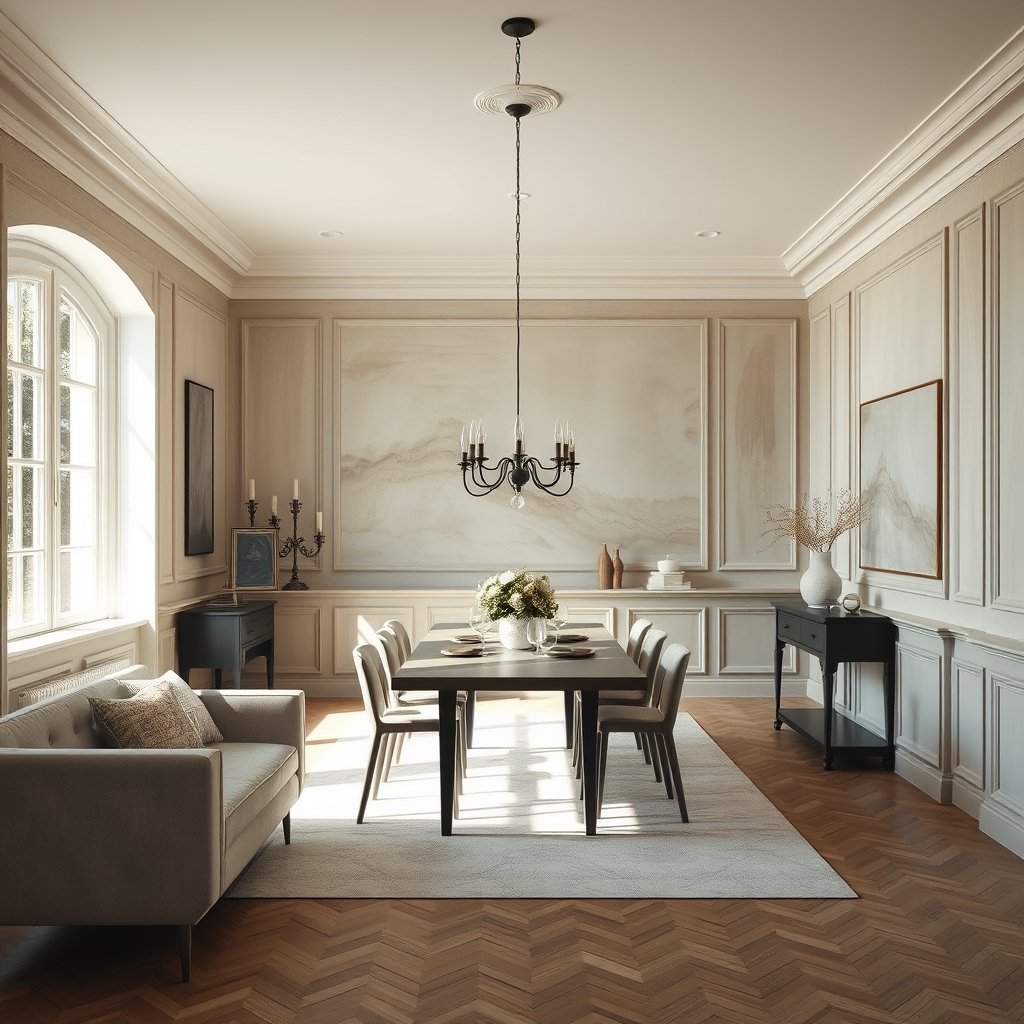
Budgeting for limewash or roman clay walls means factoring premium labor and bespoke material costs. Expect material costs of 2 to 5 US dollars per square foot for high-grade products; labor can run 6 to 15 US dollars per square foot for hand-troweled specialty finishes, lower for sprayed-on applications.
- Example timelines: Feature wall: 3-5 days solo (DIY), full bedroom: 7-14 days pro team (including prep and multiple layers).
- ROI point: The textured wall paint segment—valued at 1.5 billion US dollars and rising—signals long-term resale boost and designer cachet for properly executed projects [EyeSwoon Paint Trends].
Premium trowel finishes cost more but create a unique, non-replicable luxury effect. Spray methods reduce cost where uniformity is acceptable or timing is tight.
Product selection & quick spec checklist
Use this one-page checklist to keep every limewash paint or textured wall paint project on track. Download as PDF for printing or sharing with clients.
- ☑ Substrate moisture test (target <8%), pH test neutral
- ☑ Mineral-compatible primer specified/approved
- ☑ Product brand and color range selected
- ☑ Application method: hand trowel, brush, or spray documented
- ☑ Room climate controls: temperature, humidity limits
- ☑ PPE and containment for prep/sanding
- ☑ Onsite sample or mock-up scheduled
- ☑ Maintenance plan and recommended service intervals
- ☑ Warranty/guarantee terms clarified
This covers every research gap—test compatibility, prep for moisture, pick the right method for budget and desired finish.
Questions to ask before hiring a specialist
When hiring a pro for limewash bedroom or roman clay walls, trust but verify. Research finds many installers “encounter uneven absorption, streaking, or premature cracking” due to poor substrate assessment or shortcutting drying protocol.
- Can you provide a sample panel for approval?
- Do you perform digital moisture and pH tests on-site before starting?
- What brands and systems do you use—and can you show past projects with before/after images?
- What climate controls and open-time protocols do you follow?
- How do you handle humidity spikes during application?
- What is your maintenance and spot-repair schedule—are warranty terms documented?
Always request a detailed proposal and formal references to ensure confidence in their experience and process.
Conclusion
Whether you’re a luxury homeowner or a detail-obsessed designer, mastering limewash paint is about blending science with art. Get substrate testing right, choose the best application method, and plan for maintenance—the result is a soulful, sustainable, and truly high-end finish impossible to fake. Ready for your first project? Start with a feature wall and use this guide as your go-to reference for every limewash paint and Roman clay installation—your clients (and your portfolio) will thank you.
Still unsure? Download the quick spec checklist or get in touch with a certified installer to elevate your next interior instantly.
Frequently Asked Questions
Is limewash paint suitable for bathrooms or high-moisture areas?
Limewash paint is best for permeable, dry rooms like bedrooms or living spaces. In bathrooms, its breathability can lead to uneven color aging or flaking unless walls are carefully protected and proper sealers are used.
Can you apply limewash directly over latex or acrylic paint?
No, you must prime first with a mineral-compatible, breathable primer. Otherwise, the lime can fail to bond and quickly peel or discolor.
How do you clean and maintain limewash or Roman clay walls?
Dust gently or use a soft, slightly damp sponge. Avoid abrasive scrubbing or soaking. For small repairs, feather in a diluted touch-up; plan a full refresh every few years.
What is the difference between limewash and Roman clay?
Limewash paint is more translucent and has a softer, matte look. Roman clay is thicker, gives more depth and movement, and is applied with a trowel rather than a brush.
What should I look for in a contractor for limewash or Roman clay?
Ask for substrate testing protocols, product system references, confirmed before/after photos, climate control details, and a written maintenance plan.
[…] hitting “purchase” or “remodel.” If you want to see samples, check the latest limewash paint ideas or renter-friendly backsplash solutions for great before-and-after visuals that started in AI […]
[…] For seriously long-life flooring, thick rubber (3/4″ stall mats, 1/2–3/4″ tiles) stands at the top with 5/5 impact and wear scores. To get expert tips for other surfaces, see our limewash paint guide. […]
[…] or anyone tired of permit drama. They’re the outdoor equivalent of easy home upgrades like limewash paint or AI room planners for interiors—you get an instant transformation without major commitment or […]
[…] for a low-waste bathroom? Explore materials like microcement for bathrooms and see our picks for limewash paint for a full eco-friendly home […]