

### Blog Post:
Smart leak detector adoption isn’t just about preventing annoying drips—it’s about avoiding unexpected repair bills, saving hundreds each year on wasted water, and finally putting real numbers behind “peace of mind” for homeowners tired of insurance surprises.
Key Takeaways
- Installing a smart leak detector or WiFi leak detector can slash your risk of catastrophic water damage by up to 40% and save $150–$300 per year on water bills—often paying for itself fast.
- Most user complaints are about false alarms, spotty WiFi connections, and inaccurate battery warnings—avoid these by reading trusted reviews and choosing tested models with strong app support and local connectivity.
- Features like automatic shutoff, weatherproofing, and AI leak prediction are under-discussed but have the greatest impact on insurance claims and real-world prevention.
- Why smart leak detectors matter right now
- Real savings: how a wifi leak detector can pay for itself
- How these devices work—sensors, connectivity, and automatic actions
- The most common user complaints (so you know what to avoid)
- Underreported but critical features most articles skip
- Buying checklist—what features actually matter for homeowners
- Placement and installation tips to avoid false negatives and false positives
- Integration with shutoff valves, plumbing pros, and insurance
- Cybersecurity, data privacy, and long-term durability—what the manuals don’t tell you
- Maintenance, testing, and troubleshooting playbook
- Cost-benefit example scenarios
- Final recommendation: how to choose one on a budget and next steps
- FAQs about smart leak detectors
Why smart leak detectors matter right now
Water damage remains the biggest silent threat lurking in single-family homes. In 2024, water-damage-related claims accounted for around 23% of homeowners-insurance losses in the US, with the average payout reaching about $8,000 per incident [Consumer Reports]. Even more alarming: the typical homeowner faces at least one water-damage claim every seven to ten years. Smart leak detectors deliver the early warnings—and even automatic shutoff—that basic old water sensors simply can’t, transforming these devices from “nice to have” to essential insurance against out-of-sight leaks.

Real savings: how a wifi leak detector can pay for itself
Is a wifi leak detector a true investment, or just another smart-home gadget? For Homeowner Hannah, let’s crunch the math. Industry research and insurer stats report a 30%–40% reduction in catastrophic water events after adding a smart leak detector or smart plumbing monitor. This translates into both fewer claims and direct annual savings:
- Annual water waste savings: $150–$300 per year (much more if you have sneaky leaks or drips)
- Average repair cost averted: $4,000–$6,000 per major claim—and many water leak sensor incidents are noticed before drywall or flooring is damaged
Most wifi leak detector starter packs come in under $100–$200, with whole-house sets plus a smart shutoff valve typically ranging from $250–$350. If these prevent even a minor claim, they’ve paid for themselves several times over. The real ROI? Confidence, savings, and documented risk reduction that can support insurance premium discounts.
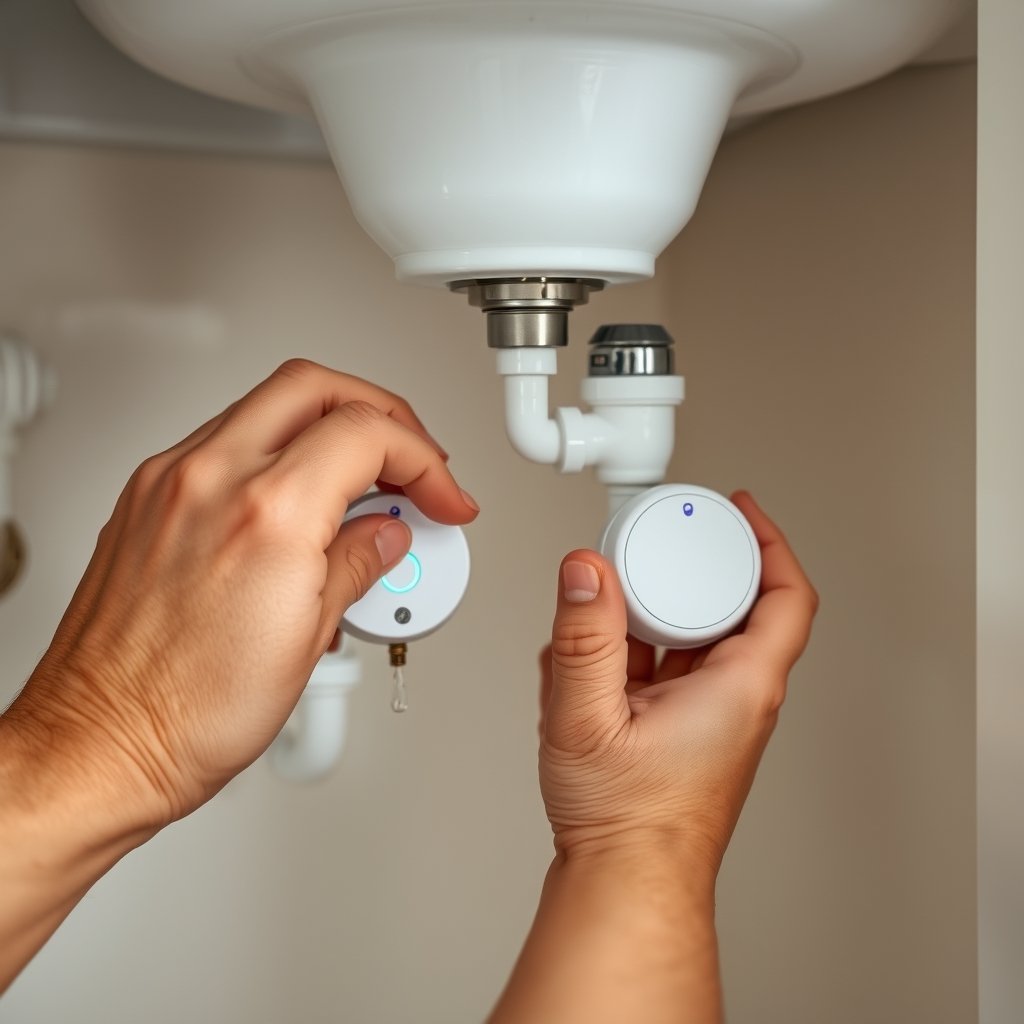
How these devices work—sensors, connectivity, and automatic actions
A smart leak detector is much more than a metal button for standing water detection. Here’s the typical stack-up you’ll find in today’s top water leak sensor kits:
- Contact sensors: The most common type—detects standing water via metal plates or pins. Simple, affordable, but only triggers after water accumulates.
- Humidity and condensation sensors: Added in advanced water leak sensor models—detect rising humidity or telltale condensation, sometimes before standing water appears.
- Flow monitors: Inline devices that track unusual water flow, acting as a smart plumbing monitor and triggering a leak alarm if a pipe bursts or water runs when it shouldn’t.
- Connectivity: Most systems connect via WiFi, but higher-end solutions offer Zigbee, Z-Wave, or LoRa for longer range and more reliable alerts, especially if your router drops out.
- Automatic shutoff integration: Best-in-class systems work with a motorized shutoff valve (wired or wireless) that can instantly stop the main water supply at the first sign of a major leak.
Most “basic” models only detect standing water, so it’s essential to know if your target system monitors for slow, hidden leaks too—these are the ones that can quietly cause mold or warp floors.
The most common user complaints (so you know what to avoid)
Even the best-reviewed smart plumbing monitor isn’t perfect. Real homeowners cite these recurring complaints:
- False alarms: Some leak alarms are too sensitive, sending alerts when steam or high humidity from a shower is detected—not actual leaks.
- Battery issues: Inaccurate low-battery warnings or hard-to-replace (often proprietary) batteries can leave you unprotected when you need alerts most.
- Unreliable WiFi: Many wifi leak detector systems simply fail if your home network is slow or drops temporarily, resulting in missed leak alerts.
- Poor app/user experience: Clunky, crash-prone, or outdated apps make it hard to receive, interpret, or act on alerts in real time.
- Limited sensitivity: Many water leak sensors only trigger when standing water accumulates—missing slow leaks from failing valves, pinhole drips behind walls, or leaky fixtures.
To see authentic feedback, check Wirecutter’s tested recommendations and Amazon bestsellers’ reviews, and balance cut-rate kits against long-term value.
Underreported but critical features most articles skip
What matters most isn’t always in the headlines or on the box. Here are key features that drive real-world results for homeowners—but rarely get proper coverage:
- Automatic shutoff valve integration: If your smart leak detector and sensors work with a shutoff, you can stop water flow in seconds—major insurance perk.
- AI/predictive detection: Leading smart plumbing monitors now use algorithms to detect unusual patterns, catching leaks long before standing water pools.
- Long-term sensor durability: Cheap sensors and components often fail in 2–3 years; look for ratings and reviews that mention multi-year, reliable use.
- Battery backup and weatherproofing: Necessary for exterior or crawlspace installs, where power outages and weather exposure are common.
- Cybersecurity/privacy protections: With cloud-based alerts, you need to know where your data goes, how long it’s stored, and what happens if the vendor is breached.
A quick scan of top-rated “flood prevention device” roundups shows almost no mention of these. For in-depth guides, see Waterlyst on privacy, and check your insurance carrier for the newest premium adjustment rules based on shutoff integration.
Buying checklist—what features actually matter for homeowners
- Sensor type: Confirm if it detects both standing water and humidity/condensation for earlier alerts.
- Automatic shutoff valve compatibility: Essential for rapid response or to qualify for insurance discounts.
- Connectivity resilience: Prefer solutions with WiFi plus local redundancy (e.g., Zigbee, LoRa, cellular fallback).
- Battery design: Choose sensors with replaceable, easy-to-find batteries and accurate in-app battery status.
- App reliability: Prioritize positive user reports on alert speed, integration with platforms (Google Home, Alexa), and simple controls.
- Weatherproofing: Needed for sensors near exterior pipes or in damp subfloors.
- Warranty/support: Pick brands with a 1–3 year warranty and responsive customer support—defects and dead batteries are the #1 service request for water leak sensors.
Recurring issues—like frequent battery replacement, unreliable displays, or defective water leak sensors—are top complaints flagged at Water Sensor Reliability Guide.
Placement and installation tips to avoid false negatives and false positives
Where and how you place your wifi leak detector is as critical as the brand you pick. Smart sensors won’t help if water never reaches them or they chirp about the wrong thing.
- Place under water heater pans—these catch leaks that would otherwise spread undetected along concrete or uneven floors.
- Install under sinks and behind toilets—hidden fittings are common leak points Homeowner Hannah can’t see.
- Near washing machines and dishwashers—catch hose or valve bursts early, especially if you’re not home often.
- Along exposed or exterior pipes—weatherproofed sensors capture cold-related leaks before pipes split.
- Use pans or trays for improved detection, ensuring water pools in a predictable spot—especially in unfinished basements or crawlspaces, as uneven floors can stop water from reaching the sensor contacts.
- Avoid areas prone to moisture or steam without real water risk—kitchens near boiling pots or showers can cause unnecessary alerts if your water leak sensor isn’t configured for humidity filtering.
For a visual walkthrough, see our Water Leak Detector Placement Guide.
Integration with shutoff valves, plumbing pros, and insurance
If your leak alarm finds water, the seconds before you shut off the main valve are critical. Integrating sensors with an automatic shutoff gives the fastest possible protection—either automatically or with a one-tap app command. Insurers now reward this with premium discounts in many states. Professional installation, while pricier, is often worth it for main valve shutoff integration; just be aware of contractor liability (if hardware fails, you want backup and a clear warranty chain).
- Seek certified installers recommended by your device vendor or home insurance partner
- Document installations for insurance purposes—some providers require proof for a policy discount
- Ask insurers directly about smart plumbing monitor benefits or supported models before buying
- DIY works for most stand-alone leak sensors, but shutoff installations may need a pro to keep warranty and insurance eligibility intact
You can learn more about component integration at Travelers Insurance’s smart leak protection page and see how shutoff valves work.
Cybersecurity, data privacy, and long-term durability—what the manuals don’t tell you
Many overlook this: a smart leak detector is only as good as its cloud alerting and data security. If a vendor goes out of business, will your sensors still send alerts? Here’s what to evaluate:
- What data is sent to the cloud, who can access it, and how long is it kept?
- Are over-the-air firmware updates supported for security issues?
- How does the vendor notify you if a device is recalled or a patch is critical?
- Are support agents responsive if a sensor goes offline or reports false stats?
- Is local-only alerting available if your WiFi or their cloud is down?
- What’s the real multi-year battery and sensor life? Check verified reviews and ask before you buy.
For a deeper look, see our guide to Leak Detector Privacy & Compliance and compare brands that offer transparent firmware update and support policies.
Maintenance, testing, and troubleshooting playbook
- Test each water leak sensor as part of seasonal home checkups—many brands let you trigger test alerts through the app or by briefly touching the contacts with a damp towel.
- Replace batteries at least annually, or sooner if your detector reports a low battery. Don’t rely on battery-life guarantees—many fail prematurely.
- Update firmware whenever prompted by the app—this often patches security gaps or false alert triggers.
- Recheck placement any time you remodel, replace appliances, or notice a new drip or stain nearby.
- If you get false alarms (from humidity or a quick splash), reset the device and consider moving it.
- Lost WiFi or cloud alerts? Reference the manual for local alarm fallback, or re-pair the device following app instructions.
Have trouble? Visit our leak detector troubleshooting checklist for step-by-step fixes and video tutorials.
Cost-benefit example scenarios
- Case Study 1: Hannah installs a $90 wifi leak detector kit under her water heater and laundry. Nine months later, it alerts her to a slow drip before it spreads, saving an $1,100 floor repair—plus $180 shaved from her water bill that year.
- Case Study 2: A neighbor chooses a $260 package (sensor pack plus $200 shutoff valve). When a pipe bursts during winter, the shutoff valve triggers automatically—averting a potential $5,500 basement flood. Their insurer applies a $75 annual premium credit for verified automatic shutoff integration.
- Case Study 3: Another friend waits, but after a $4,200 kitchen leak claim (and a premium hike the following year), she immediately adds three water leak sensors and a smart plumbing monitor to avoid a repeat. The gear pays for itself if it stops just one event.
Average repairs run $4,000–$6,000 per claim and annual water waste savings easily top $150, meaning the return on investment is clear—even for budget packages.

Final recommendation: how to choose one on a budget and next steps
Bottom line: a tightly-installed leak alarm system with water leak sensors on every high-risk appliance, set up to alert you via a reliable app and—if possible—integrated with an automatic shutoff valve, gives you real security and real cost savings. Here’s your efficient action plan:
- Prioritize sensor placement under water heaters, behind appliances, under major sinks, and along basement pipes.
- Choose a starter pack from a vendor with good reviews for app reliability and sensor durability. Opt for automatic shutoff compatibility or an easy upgrade path.
- Set reminders to check battery levels and run test alerts each season.
- Ask vendors about battery cost and firmware update support before purchase.
- Contact your insurer—ask about discounts for integrated systems and recommended device brands.
- Document your installs for insurance records and warranty coverage.
A multi-component smart plumbing monitor system aligned with your insurer’s requirements—plus regular home maintenance—gives you the strongest, most cost-conscious protection. Invest now in a smart leak detector and start preventing the next surprise claim before it starts.
FAQs about smart leak detectors
How do I know where to place a water leak sensor?
Install water leak sensors in areas where leaks are most likely to start: under hot water heaters, beneath sinks and toilets, behind appliances like washing machines and dishwashers, and along exposed basement or exterior pipes. High-traffic wet zones, or anywhere previous leaks occurred, are smart targets.
Will a smart leak detector work during a power or internet outage?
Some models have built-in battery backup and local alarms, but many wifi leak detectors rely on cloud alerts. Look for brands supporting local notifications or cellular fallback so you remain protected during outages.
Are smart leak detectors hard to install?
Most standalone water leak sensors are DIY and set up in minutes with double-sided tape or a screw mount. Automatic shutoff valves usually require a plumber or skilled DIYer for mainline installation to maintain warranty and insurance eligibility.
What maintenance do smart water leak detectors require?
Replace batteries at least once a year, test regularly via your app, clear sensor contacts of dust and debris, and ensure firmware is updated if your sensor supports it. Recheck placement after home upgrades or leaks.
Can using a smart leak detector lower my home insurance premiums?
Yes—many insurers offer discounts if you show proof of an installed leak alarm system with automatic shutoff. Check with your provider for details and required documentation.
—
[…] According to leading guides, sound and vibration control is one of the top three missed steps in garage gym builds, but addressing it early can prevent neighbor complaints and extend your equipment’s life. For smart solutions to other common home problems, you might also enjoy our leak detector guide. […]
[…] exploring smart renovation upgrades? Discover how a smart leak detector adds peace of mind or explore solar shade options to pair with your room […]
[…] a smart device to monitor for water issues when installing in damp areas? Read our smart leak detector buying guide for peace of […]