

### Blog Post:
soundproof wall panels are the go-to solution for busy home office workers and home studio enthusiasts looking for a quieter, more productive space—without hiring an acoustics consultant or gut-renovating the house. But most guides overpromise: if you want honest numbers, actionable tips, and realistic before-after results, you’re in the right place.
Key Takeaways
- Lab-tested soundproof wall panels deliver a realistic 5–12 dB reduction for most home situations—more for speech, less for bass.
- Proper installation, smart placement, and matching panel type to your needs make all the difference in real-world noise reduction.
- Not all panels are equal—know the tradeoffs, and measure your results before and after installation with a simple phone app.
- Quick Reality Check — What soundproof wall panels actually do for homes
- DIY Installation — Step-by-Step for Home Offices and Studios
- Advanced Analysis & Common Pitfalls
- Conclusion
- FAQ
Quick Reality Check — What soundproof wall panels actually do for homes
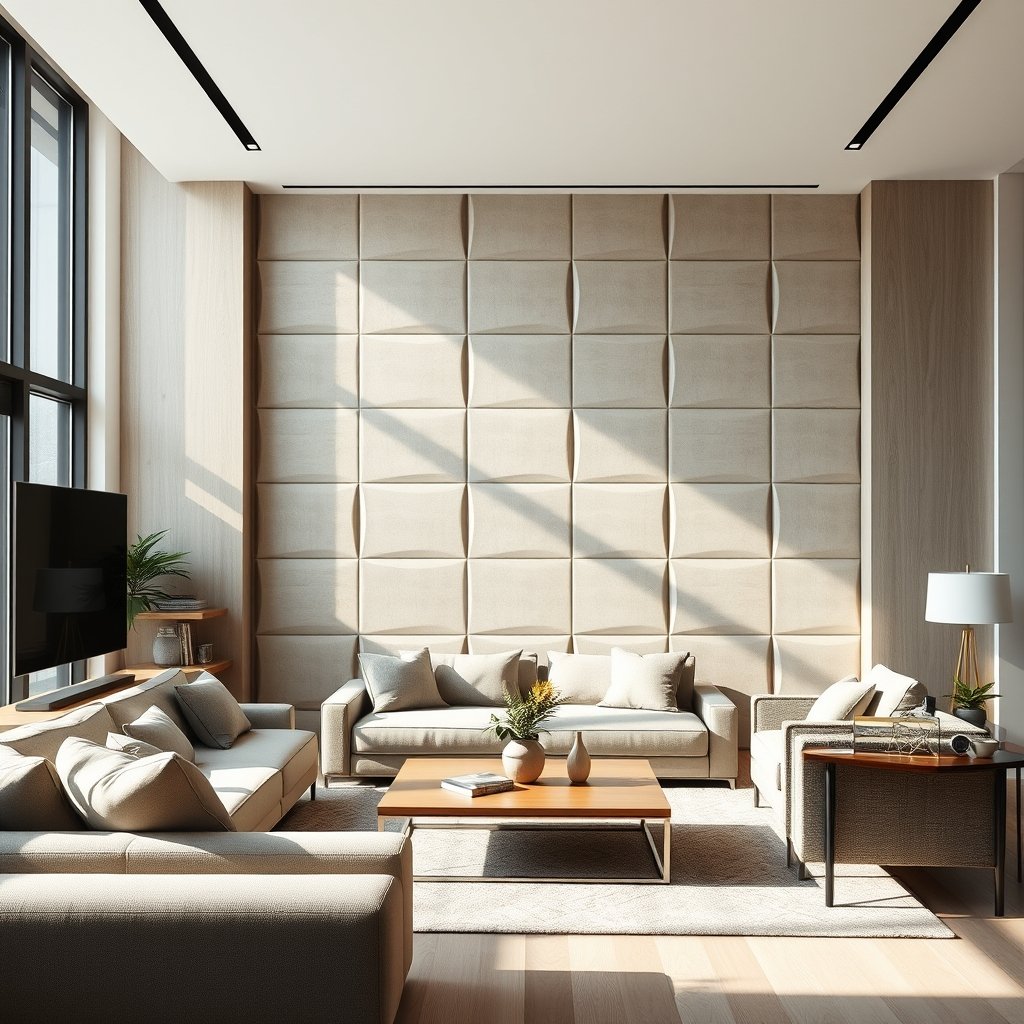
When you shop for soundproof wall panels, bold marketing often claims “studio-grade silence” or “eliminate all noise.” The reality: panels absorb mid and high-frequency reflections, improving room comfort and reducing echoes, but they will not make your room totally silent or prevent all outside noise. High-density fiberglass, wood-faced, and polymer foam panels have proven in 2023–2024 research to provide between 5 and 12 dB reductions in the speech-frequency band (250 Hz to 4 kHz). Top lab-tested products achieve ~45 STC (about 45 dB transmission loss) under ideal lab conditions, yet why do you only get ~6–9 dB reduction at home? The culprit: real rooms, leaky windows, doors, and installation shortcuts.
So—expect clearer conversations, less disruptive chatter, and less reverb, but not total block-out (especially for low-end bass or very loud neighbors).
For more information, see the Ultimate Guide to Soundproof Wall Panels and support from recent research.
DIY Installation — Step-by-Step for Home Offices and Studios
Correct installation moves the needle more than panel brand alone. Here’s a proven, detailed path for getting results—whether you’re working with drywall, plaster, or concrete, and whether you rent or own your space.
Step 1: Measure, Plan, and Budget
- Use a room calculator or simple paper map to note size and main noise paths.
- Decide on panel type: high-density fiberglass works best for overall noise, felt+wood slats for style, foam for cheapest DIY quick-fixes.
- Budget: midrange products range from $5 to $25 per square foot. For full coverage, 15–30% of wall area is typical for a clear difference.
Step 2: Choose Your Panels
-
Target NRC (Noise Reduction Coefficient) of at least 0.80 for speech clarity.
Panels like these are preferred for home offices. - For home studios, opt for 2-4″ thickness. Choose durable fabric wrap if you want longevity and deep color options.
Step 3: Mark Studs & First Reflection Points
- Use a stud finder for drywall/plaster. Mark every stud location with painter’s tape.
- Use the handheld mirror trick to mark first reflection points—all primary “splash zones.”
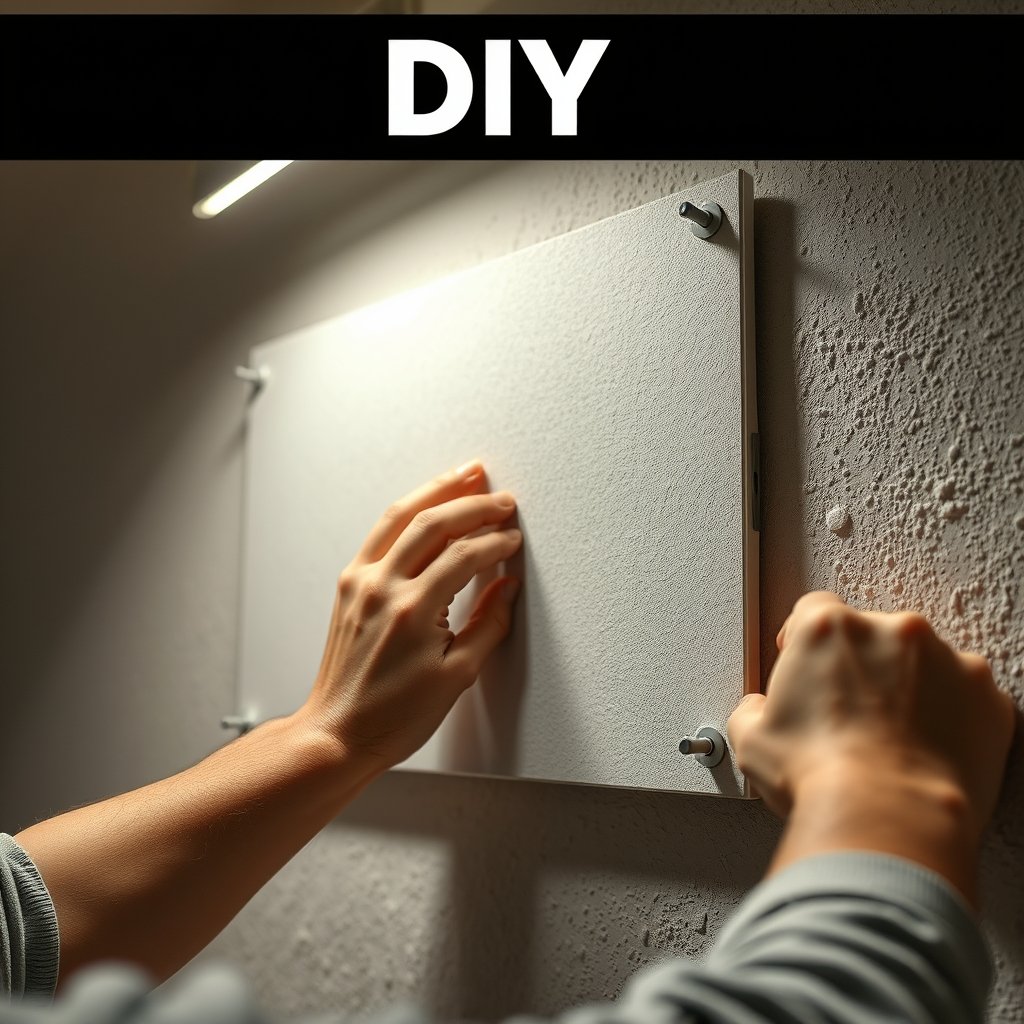
Step 4: Prepare Tools & Hardware
- For drywall/plaster: Impaler clips, Z-clips, or heavy-duty picture hangers designed for the panel’s weight.
- For concrete/brick: Tapcon screws or masonry anchors.
- For renters: Freestanding frames or “command strip” style brackets (limited weight only—check specs).
- Other essentials: tape measure, level, drill with suitable bits, sturdy ladder, caulk for light edge sealing.
Step 5: Install With Air Gap (If Possible)
- Mount 1–2″ off the wall (using simple wood spacers or included stand-offs) to boost low-frequency performance by 10–20%.
- Install so top corners are secured to prevent sagging.
- Use a level to keep lines crisp—crooked panels stand out.
Step 6: Seal Edges and Validate Placement
- Apply a bead of acoustical caulk or weatherstripping along edges for maximum “leak” prevention.
- Walk around and clap or play sample audio—listen for dead spots and adjust as needed.
Step 7: Measure Results
- Download a free phone dB app like Decibel X or SPL Meter.
- Take pre-installation readings: play music, talk, or simulate typical noise sources; note reading at main desk/listening spot. Repeat test after panels installed (read more on this in Section 3).
Looking for more renter-friendly upgrades? Check out our stick-on backsplash makeover ideas—many frame techniques apply to panels too.
Advanced Analysis & Common Pitfalls
Even with the best acoustic panels for home, results vary if you overlook these practical issues:
| Pitfall | Typical complaint | How to solve |
|---|---|---|
| Cheap mounting hardware | Panels fall, sag, or sound “rattly” on wall | Use branded, weight-rated clips for each substrate; anchor into studs or masonry, not just drywall. |
| Insufficient bass reduction | Low-pitched hum still leaks in/out | Add corner bass traps, consider doubling panel thickness, and combine with door/window sealing. For extreme bass, add dense mass layers or decouple walls. |
| Aesthetic mismatch | Panels make space “ugly,” clash with décor | Use fabric-wrapped or wood-slat designs. Place as feature wall, or custom-print panels to match your style. |
| Panel sag/degradation | Foam panels droop or get crumbly | Opt for high-density fiberglass or rigid composite cores; avoid unbacked lightweight foam except for temporary fixes. |
| Unclear placement | Random placement yields poor results | Plan using first reflection tests (mirror trick) and measure noise levels before and after. |
Real-world dB reduction will always be less than lab numbers because homes have doors, vents, and thin walls. Consumer trials show most users get 6–9 dB reduction—noticeable but not total silence.
Mini Case Study: Home Office
A 12×14 ft office above a garage had a baseline reading of 50 dB (daytime average). Installing 8 square meters of high-density fiberglass panels on main wall and ceiling, using correct standoffs, dropped the reading to 43 dB during typical work hours—a solid 7 dB improvement subjectively perceived as “much easier to focus, less echo during calls.”
Mini Case Study: Home Studio
A modest 10×10 ft music room had heavy echoes (RT60 over 1 second), speech clarity problems, and 56 dB ambient noise. After adding 10 square meters of slat-felt wall panels plus two corner bass traps, reverb time dropped to 0.5 seconds and measured dB at seating was 48—a reduction of 8 dB, making tracks easier to mix and less fatigue for the ears.
Want to go deeper? Learn how innovative acoustic metamaterials are pushing performance even further in modern panels.
See also our guides to garage gym soundproofing or making bathrooms echo-free with microcement for whole-home upgrades.
Conclusion
Not all noise is created equal, but with the right soundproof wall panels, most home users can realistically expect a 5–12 dB reduction in everyday speech, echo, and outside chatter—if you install, place, and maintain them smartly. Remember: the results are compounded by sealing leaks, combining bass traps for low frequencies, and choosing panels that suit both your acoustic and aesthetic needs. Start small, measure your gains, and upgrade as you go.
Ready to reclaim your headspace? Invest smart—choose the right panel mix, follow this installation roadmap, and soon your home office or studio will finally sound (and feel) as good as it looks.
Curious about more acoustic upgrades? See our latest about limewash paint finishes for a soft, sound-dampening backdrop, or browse AI room planning ideas for smarter design.
FAQ
Will soundproof wall panels stop noise from my neighbors completely?
No. Wall panels typically cut 5–12 dB across speech frequencies, which makes voices and everyday sounds less intrusive, but heavy footsteps, bass, or shouting may still come through. Complete isolation requires structural upgrades and sealing gaps elsewhere.
How many panels do I need for a standard home office?
For real improvement, plan to cover 15–30% of the major wall and ceiling area, especially first reflection points and the wall facing the noise. That means 6–10 large (2×4 ft) panels for a normal 10×12 ft room.
Are soundproof wall panels fire-safe for home use?
Look for Class A or B fire rating (per ASTM or EN standards) listed on manufacturer specs. High-density fiberglass and mineral wool panels are safest; use caution with cheap foam tiles, which rarely meet top fire standards.
Can I make my own panels or frames?
Yes. Many DIYers build frames with standard lumber, fill with rockwool or fiberglass batts, and stretch fabric over them. Mount with heavy-duty hangers or build a freestanding partition if renting.
How should I care for and maintain noise reduction panels?
Use a soft vacuum or lint roller for dust, spot clean with mild soap, and avoid spraying water directly. Inspect annually for sagging or detachment, especially with foam tiles. Swap or rotate panels if you notice loss of effect.
How much should I budget for real results?
Most home offices or studios see clear results with $200–$700 investment for good panels, hardware, and bass traps. Going premium for full wall coverage, artisan finishes, and advanced materials can run $1,000 and up.