

### Blog Post:
Solar pergola systems are rapidly catching the eye of homeowners searching for a smarter and more valuable outdoor living upgrade—combining shade, comfort, smart energy features, and real savings for your home’s bottom line. Here’s how a solar pergola offers more than just patio shade—and how it stacks up against traditional solar patio covers when it comes to costs, payback, features, and practical ROI.
Key Takeaways
- A solar pergola delivers shade plus real solar savings—with average installation costs of $20,000–$25,000, higher than a flat solar patio cover, but with added home value and flexibility.
- Both solar pergolas and conventional solar patio covers generate 7,000–8,000 kWh annually, offsetting about $800–$1,200 per year in electricity at $0.12/kWh.
- Smart features—like home energy monitoring, integrated battery backup, and powered outdoor amenities—can boost user satisfaction and your property’s resale appeal.
- Solar Pergola vs. Solar Patio Cover — Quick Cost & Savings Snapshot
- What a Solar Pergola Is — Design, Components, and Common Configurations
- Detailed Cost Breakdown — Materials, Labor, Permits, and Financing Options
- Real Energy Production & Annual Savings — What to Realistically Expect
- Three High-Value Features Top Articles Miss
- Common Complaints & How to Avoid Them — Practical Mitigation Checklist
- Maintenance, Monitoring & Longevity — Schedule and Quick ROI Boosters
- Added Home Value & Use Cases — Resale, EV Charging, Outdoor Living Upgrades
- Installation Checklist & How to Choose the Right Installer
- Cost vs. Benefit Summary + Quick FAQ & Next Steps
- Frequently Asked Questions
Solar Pergola vs. Solar Patio Cover — Quick Cost & Savings Snapshot
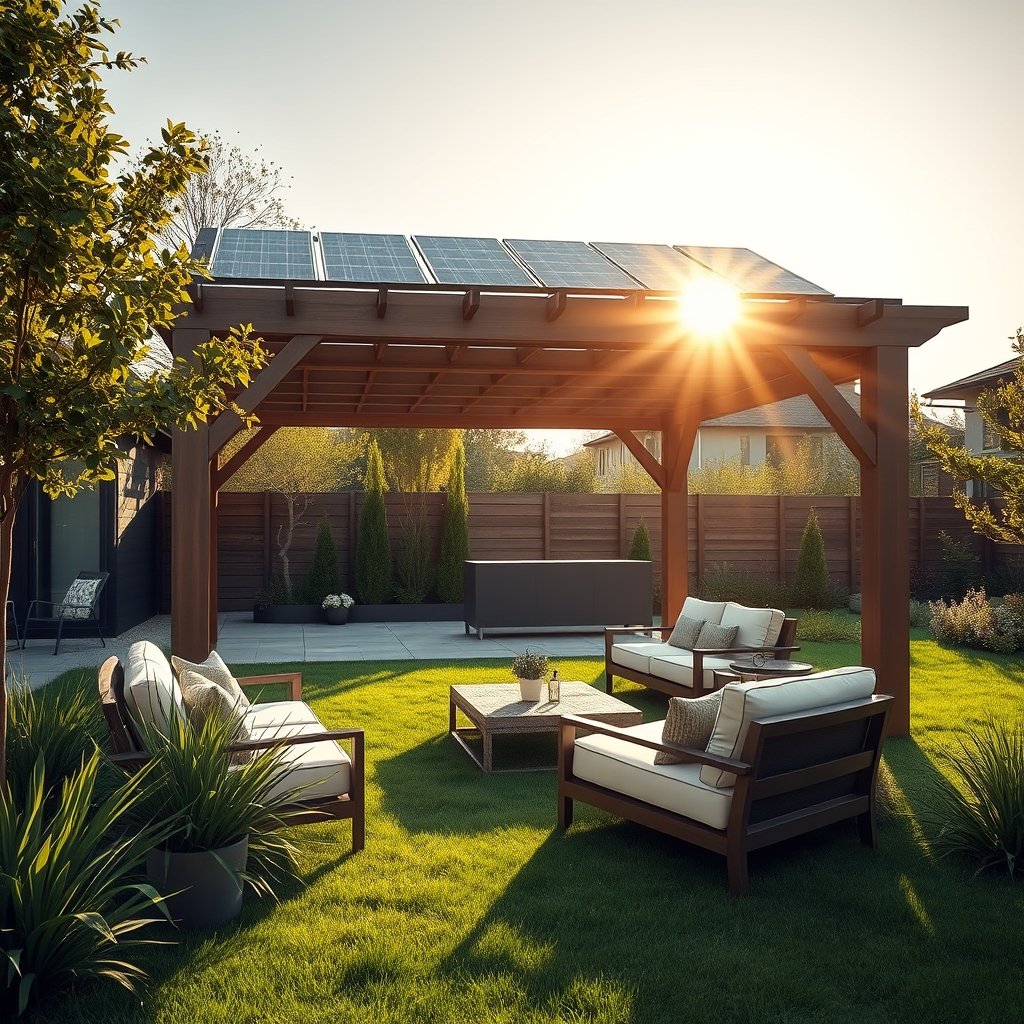
For busy homeowners deciding between a solar pergola or a solar patio cover, here’s a side-by-side breakdown to spotlight the tradeoffs:
| Feature | Solar Pergola | Solar Patio Cover |
|---|---|---|
| Typical Upfront Cost (2024) | $20,000–$25,000 | $12,000–$15,000 |
| Typical Array Size | 4–6 kW | 4–6 kW |
| Annual Output (kWh) | 7,000–8,000 | 7,000–8,000 |
| Yearly Electricity Savings (@ $0.12/kWh) |
$800–$1,200 | $800–$1,200 |
| Property Value Uplift (~$4/watt) |
Yes (Up to $24,000 for 6kW) | Yes (Similar per watt) |
| Outdoor Amenity Function | High—integrated lighting, EV, kitchen | Limited—shade & energy only |
The solar patio cover is easier on the wallet, but a solar pergola delivers more shade and design flexibility, and adds integrated amenity potential—giving it greater value for sophisticated outdoor living upgrades. Both systems produce similar energy, but the pergola boosts your home’s curb appeal and future market value. For a full breakdown of current costs in your state, see the up-to-date charts at EnergySage.
What a Solar Pergola Is — Design, Components, and Common Configurations
A solar pergola combines the open-air style of a classic pergola with a high-efficiency solar array, providing both backyard solar shade and energy savings. Unlike a simple solar patio cover (which is often just a sloped frame with panels), a pergola with solar panels is a standalone or attached structure—built with beefier posts, engineered crossbeams, and a top section designed for secure panel mounting.
Here’s how the major components fit together:
- Pergola Structure: Heavy-duty wood or powder-coated steel, measured to support the solar load—often sized for a 4–6 kW panel array (about 250–400 sq. ft.).
- Photovoltaic Panels: Roof-top or integrated between beams, tilted to maximize sunlight exposure for your latitude.
- Inverter & Wiring: Microinverters or a central inverter system as needed—wiring is routed through built-in channels for neatness and code compliance.
- Optional Upgrades: Battery backup, smart monitoring, LED lighting, ceiling fans, or retractable screens for extended outdoor living.
Most backyard solar pergolas are built for a 4–6 kW system. As noted in the Solar Panel Pergola Guide, this supports 10–16 average home panels. If you want design inspiration, check our gallery in the best solar pergola designs round-up.
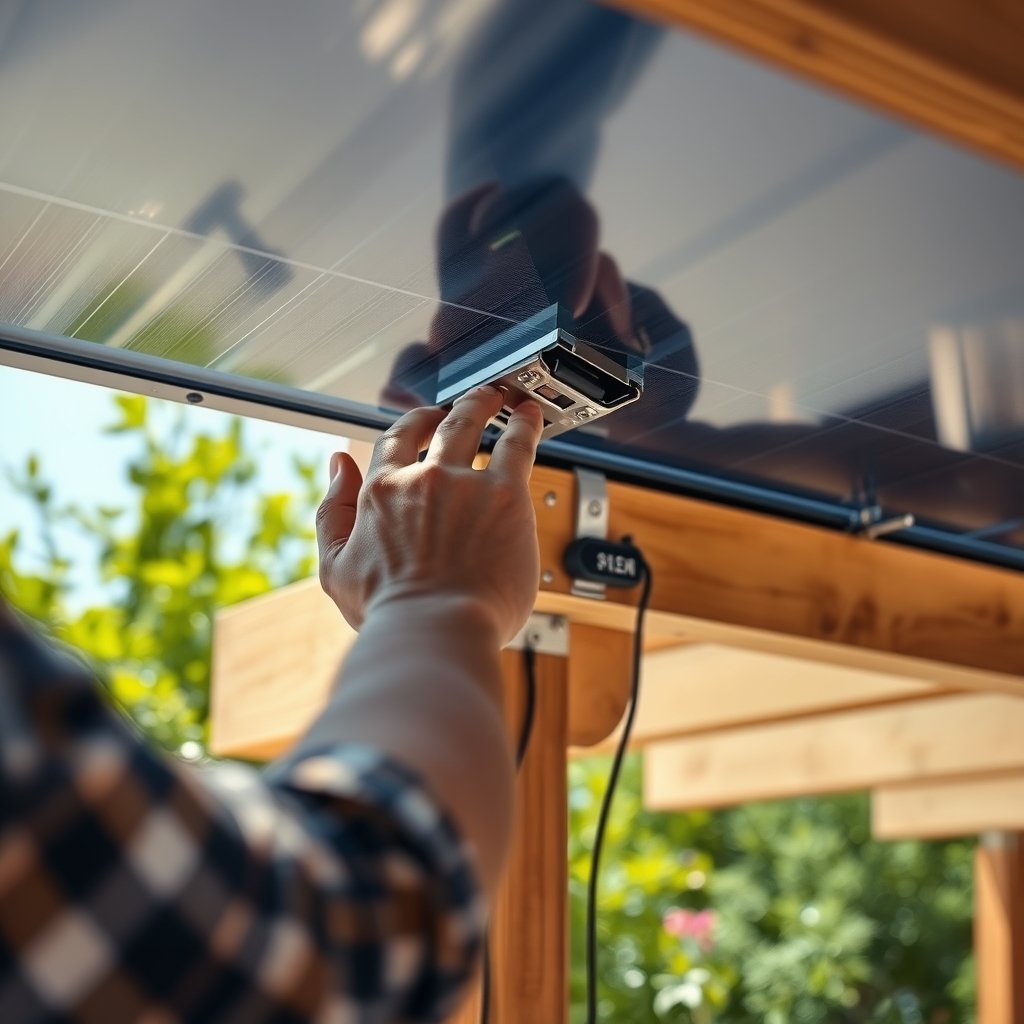
If your HOA has restrictions, choose an option with integrated or semi-open beams and dark-framed panels for a more natural look that still qualifies as a pergola with solar panels. And if you want to get the maximum return, consider making it “battery ready” for a future storage upgrade.
Detailed Cost Breakdown — Materials, Labor, Permits, and Financing Options
The hardware cost for a solar pergola still makes it a premium upgrade—but when you break it down, you see where the investment goes:
- Framing & Pergola Structure: $7,000–$10,000 (materials & foundation)
- Solar Panels: $4,000–$8,000 (array size determines cost)
- Inverters & Wiring: $1,500–$3,000
- Labor & Installation: $3,000–$5,000
- Permits & Inspections: $800–$1,500 (may vary by county/city)
- Total (before incentives): $20,000–$25,000 (2024 average)
For a solar patio cover, you often save on structural costs (no ornate beams/posts) bringing totals to $12,000–$15,000. Local building codes and wind-load requirements will affect budget—so always request a line-item quote and check zone/HOA restrictions.
Financing & Incentives:
Federal incentives (the 30% Solar Investment Tax Credit) can lower your out-of-pocket spend. Many states add rebates or property tax exemptions—see the latest info at Azenco Outdoor.
For payback: Use the EnergySage method: divide your net installed cost by annual savings. Example:
- 5 kW solar pergola: $22,000 net cost, $1,000/year savings → Payback = 22 years (before incentives). With the 30% federal credit: $15,400 net cost, payback ~15.4 years. If electricity rates rise, payback comes faster.
For full current panel pricing by state, compare reviews on SolarReviews.
Real Energy Production & Annual Savings — What to Realistically Expect
Both a solar pergola and a solar patio cover will typically generate about 7,000–8,000 kWh per year (4–6 kW system) if properly oriented. This means you’re offsetting $800–$1,200 annually at the national average utility rate.
But regional sun exposure, panel tilt, and roof shading have a big impact on the real numbers:
- Geography: Arizona or California gets up to 20% more output than New England.
- Tilt & Angle: Flat-mounted panels can drop output by 10–20% vs. latitudinal tilt.
- Shade & Dirt: Even minor shading (from trees or roof lines) can reduce output by 5–15%. Dirty panels degrade performance until cleaned.
- Winter vs. Summer: Expect higher yield May–September, and lower in December–February.
For best year-round results, have your installer perform a shade analysis using real solar modeling (and get design tips in our backyard solar shade solutions guide).
Math Example:
– 5 kW System, 1,600 kWh/kW/year in VA: 5 x 1,600 = 8,000 kWh per year
– Annual Utility Savings: 8,000 x $0.12 = $960/year
Learn more about realistic solar output here.
Three High-Value Features Top Articles Miss
Most “solar shade” articles focus on basic production—but today’s smart backyard upgrades can add far more value. Don’t overlook these winning features:
- Smart Home Integration & Monitoring: Modern inverters let you watch solar and grid usage in real-time, adjust for cloudy days, and optimize self-consumption automatically. This boosts your ROI when paired with flexible time-of-use energy rates.
- Battery or Hybrid Storage: Adding integrated battery backup lets your outdoor energy solutions run during grid outages, and shifts load from peak-rate hours—both lowering stress and potentially shrinking your payback timeline.
- Powering Outdoor Amenities: From LED pathway lights to retractable screens, outdoor kitchens, and even EV chargers, wiring these into your system increases both everyday usability and property value.
Research shows these upgrades get overlooked but directly impact resale appeal and real-world use. For more on integrating smart and resilient features, see our smart backyard guide.
Common Complaints & How to Avoid Them — Practical Mitigation Checklist
Even great projects can hit snags. Here are the most frequent owner issues and how to avoid or minimize them:
- Dirty Panels or Shading: Can slash output by 5–15%. Specify easy-to-reach cleaning setups and schedule Quarterly panel cleaning.
- Poor Tilt Angle: Panels installed too flat (for looks) lose yield. Ask for a tilt at least 5–10 degrees under local code.
- Structural or Wind Concerns: Weak posts, improper footings, or skipped engineering can lead to wind failures—not always covered by insurance. Always require signed engineering and wind-rating docs.
- Ugly Conduit Runs: Messy or visible wiring disturbs the look. Check installer’s previous jobs, ask for concealed or color-matched conduit.
- Permit/HOA Trouble: Even minor zoning missteps can trigger costly removals. Make sure your team has actual experience with HOA/municipal codes.
- Difficult Maintenance Access: If you can’t inspect or clean wiring, every service call becomes a hassle. Specify removable panels or access doors.
For practical tips on each step, see our pergola with solar panels checklist.
| Owner Complaint | Mitigation Checklist |
|---|---|
| Reduced Output (dirt/tilt) | Quarterly panel cleaning; ensure minimum 5-degree tilt |
| Structural/Wind Issues | Engineered footings; rated materials; documented wind rating |
| Wiring/Maintenance Headaches | Concealed roof conduit; service access panels |
| Aesthetic or Permit Trouble | HOA pre-approval; pick color-matched or semi-framed designs |
Maintenance, Monitoring & Longevity — Schedule and Quick ROI Boosters
Keeping your solar pergola efficient is easy and pays off. Here’s a no-nonsense maintenance schedule:
- Monthly: Visual check for debris, animals, or storm damage.
- Quarterly: Hose panels lightly and clean with soft brush if needed; check for perched leaves or nests.
- Annually: Pro inspection of wiring, inverter logs, and load testing.
Clean panels deliver up to 15% more power than dusty ones. Use real-time monitoring apps to spot issues early—many systems now come with a smartphone dashboard. See our maintenance tips for more.
With this schedule, your solar pergola should deliver 25+ years of reliable power—protecting your investment and peace of mind.
Added Home Value & Use Cases — Resale, EV Charging, Outdoor Living Upgrades
Beyond yearly savings, solar pergolas deliver a meaningful lift to your property’s resale value. According to research, every watt of installed solar averages about $4 in home value increase.
- 5 kW x $4,000 = $20,000 added to home value (on a $20–25K system, that could recoup most of your initial spend).
Example Use Cases:
- Outdoor Lighting: Continuous night illumination, enhancing both safety and evening ambiance.
- EV Charging: Charge your electric vehicle with clean backyard power—no upgraded panel needed.
- Smart Outdoor Kitchens: Plug in mini-fridges, fans, or heat lamps using solar-backed circuits.
See how adding a solar pergola for EV charging can turn your patio into a resilient, money-saving asset.
Installation Checklist & How to Choose the Right Installer
Picking the right solar pergola installer is essential for a smooth experience and lasting results. Use this quick checklist when vetting partners:
- Structural Engineering Cover: Will the frame be signed off for wind and snow loads by a licensed engineer?
- Permitting Experience: Has the installer tackled projects for your city/county and passed HOA reviews?
- Battery-Ready Designs: Are wiring and inverters ready for backup battery in year one or down the road?
- Monitoring Included: Can you watch production and spot maintenance issues in real time?
- Maintenance Access: Is flexible conduit and access baked into the design?
- Warranty Details: What’s covered, for how long, and do you get 1–2 years of in-person service?
- Residential References: Can they show you completed jobs in neighborhoods like yours?
Always get 2–3 quotes and require proof of wind-rating, engineering signoff, and clear service policies—a must given how often structural shortcuts lead to post-install trouble.
For a deeper dive into selecting the right contractor, see our solar installer checklist.
Cost vs. Benefit Summary + Quick FAQ & Next Steps
Whether you go with a pergola or a patio cover, a backyard solar shade upgrade can save you $800–$1,200 every year, cutting utility bills and improving outdoor comfort. The up-front investment is higher for a solar pergola ($20,000–$25,000) but can be partially or fully recouped via property value increase—plus you’ll get a more stylish, versatile outdoor living space. If you want the lowest cost and shade only, pick a solar patio cover; if you value design, flexible amenities, and future-proof energy, invest in a solar pergola.
- Pergola Cost: $20,000–$25,000 (before incentives)
- Patio Cover Cost: $12,000–$15,000 (before incentives)
- Annual Savings: 7,000–8,000 kWh, or $800–$1,200/year
- Break-even Calculation (EnergySage): Net cost ÷ Annual Savings = Years to Payback
Ready to see how a solar pergola fits your home’s site and needs? Request a free quote or schedule an on-site energy assessment to compare options for your property.
Frequently Asked Questions
How long does a solar pergola last?
Most solar pergola systems come with panel warranties of 25 years and structural guarantees of 10–20 years. With routine maintenance and a quality install, expect 25+ years of service life.
Is a solar pergola worth the extra cost over a patio cover?
If you value flexible outdoor use, integrated amenities (lighting, EV charging), and full property value uplift, yes—a solar pergola pays off long-term, particularly with federal/state solar credits.
Do I need a building permit or HOA approval?
In nearly all suburban and urban areas, you’ll require a building permit. HOA approval is usually mandatory for structural changes — always check restrictions upfront or use an installer experienced in handling local codes.
What kind of maintenance does a solar pergola require?
Mainly seasonal panel cleaning and annual inspection of connections. Visual checks after major storms and app-based monitoring round out your upkeep.
How do the warranties compare?
Panel warranties are typically 25 years, inverters 10–15 years, and workmanship/structure between 5–20 years—ask for all coverage before signing a contract.
—
[…] smart renovation upgrades? Discover how a smart leak detector adds peace of mind or explore solar shade options to pair with your room […]
[…] to see other smart, quick home upgrades for savings and comfort? Explore our guides on solar pergola systems and AI room planning for more high-value […]
[…] you’re considering other low-upkeep, high-durability upgrades, our solar pergola buying guide is a good follow-up […]