

Outdoor privacy screen solutions are transforming how time-strapped homeowners reclaim comfort and style outdoors—without the headaches of permanent builds, permits, or endless upkeep.
Key Takeaways
- Flexible outdoor privacy screens are rapidly outpacing permanent fences due to fast setup, lower maintenance, and fewer permit hassles.
- From freestanding panels to living vertical gardens, quick-install backyard privacy ideas work for patios, balconies, and tight city yards.
- Choosing the right material, checking HOA rules, and anchoring your privacy screen properly are critical for a long-lasting and neighbor-friendly result.
- Why homeowners are choosing outdoor privacy screens over permanent structures
- Quick, high-impact backyard privacy ideas that don’t require construction
- Types of outdoor privacy screens — materials, look and best use
- How to choose the right solution for your space (decision framework)
- Installation dos and don’ts — fast installs that stay put
- Common complaints and practical fixes
- Three DIY/modular projects that competitors miss (detailed how-to)
- Maintenance, lifespan and cost trade-offs
- Permits, HOA rules and neighbor-friendly strategies
- Where to buy, product picks and quick budget guide
- Inspiration gallery + 1-page decision checklist (CTA)
- FAQ
Why homeowners are choosing outdoor privacy screens over permanent structures
Homeowners are moving away from committing to permanent fences, stone walls, or custom pergolas. Instead, more are turning to portable outdoor privacy screen solutions: think mesh, fabric, vinyl, and composite. In 2024, nearly 30% of homeowners reported choosing outdoor privacy screens compared to only 15% who built permanent structures. This shift is driven by tighter urban lot sizes, strict HOA height or design rules, and a strong demand for fast, low-maintenance installs.
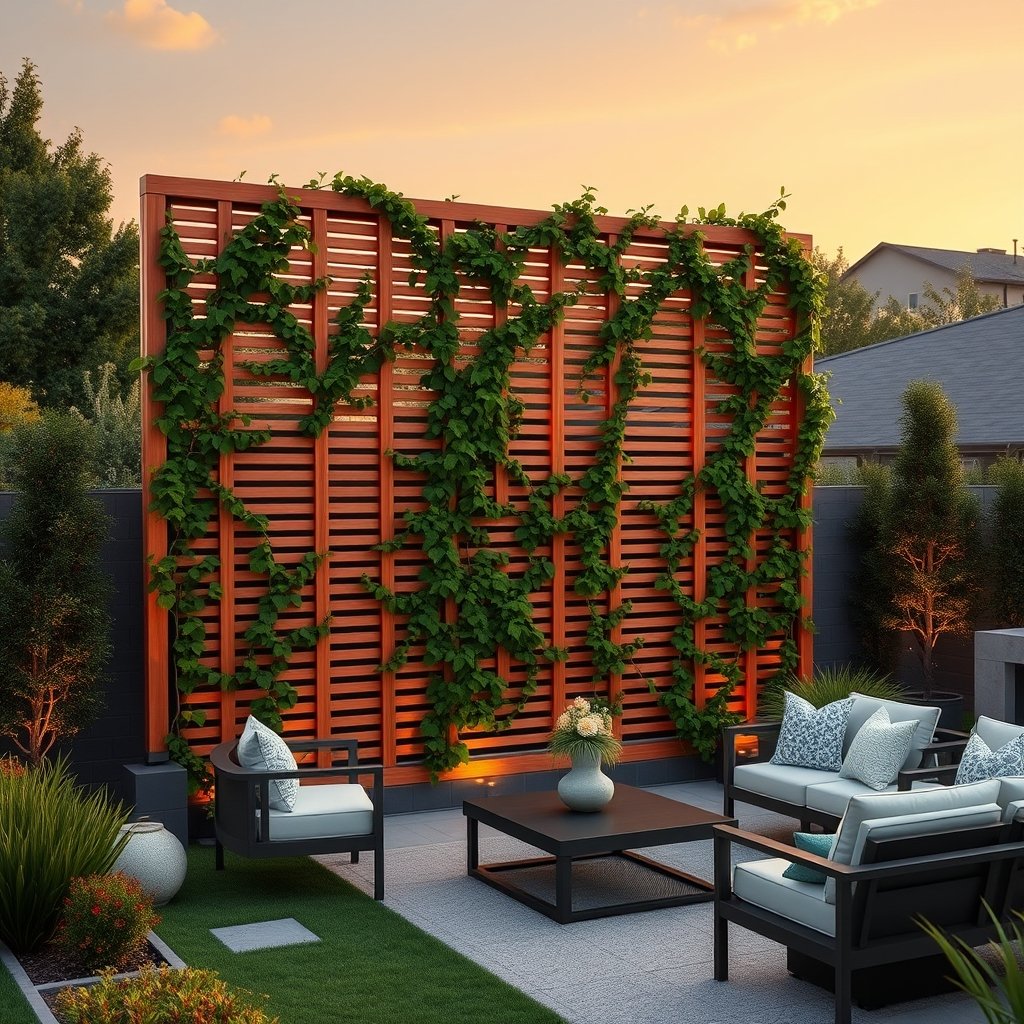
Why? Flexible screens minimize drama with city regulations, preserve your deposit if you’re renting, and can be moved or replaced as your needs and décor evolve. With so many stylish options now available, you don’t have to sacrifice looks for convenience. Leading retailers and home improvement blogs show that solutions like Freestanding Outdoor Privacy Screen Panels and balcony screen panels are getting rave reviews for transforming outdoor space quickly and affordably without heavy labor or commitment.
If you’re interested in more easy, non-permanent renovation ideas, also check out our guide on peel and stick backsplash for kitchens and renters.
Quick, high-impact backyard privacy ideas that don’t require construction
Forget weeks of digging or wrestling with lumber. Here are the standout backyard privacy ideas you can set up fast—many within a single weekend:
- Freestanding Outdoor Privacy Screen Panels: Interlocking, folding or modular panels you simply position and anchor—choose from vinyl, composite, or aluminum for modern looks.
- Outdoor Curtains: Weatherproof drapes on tension rods or cable wire instantly create cozy, convertible shade on patios or balconies.
- Tall Planters with Dense Greenery: Combine stylish planters and fast-growing grasses or bamboo for a living privacy wall you can move or rearrange.
- Bamboo or Reed Rolls: Attach to railings or existing fences for a quick natural look. Great for balconies or patio edges.
- Lattice Panels & Vines: Lightweight lattice frames plus ivy, clematis, or even faux foliage for coverage and color—no foundation needed.
- Vertical Garden Living Walls (Competitor Gap): Add modular wall-mounted pockets or panels with cascading greenery—build instant privacy that also cools the space. See examples here.
- Modular Pergolas with Retractable Screens (Competitor Gap): Install lightweight, snap-together pergolas and fit with outdoor privacy screen panels that open/close for shade or seclusion—no hardscape needed.
- Repurposed Shipping Container or Reclaimed Timber Modules (Competitor Gap): Small, stand-alone modules that act as barriers—they double as benches or hidden storage along your property line.
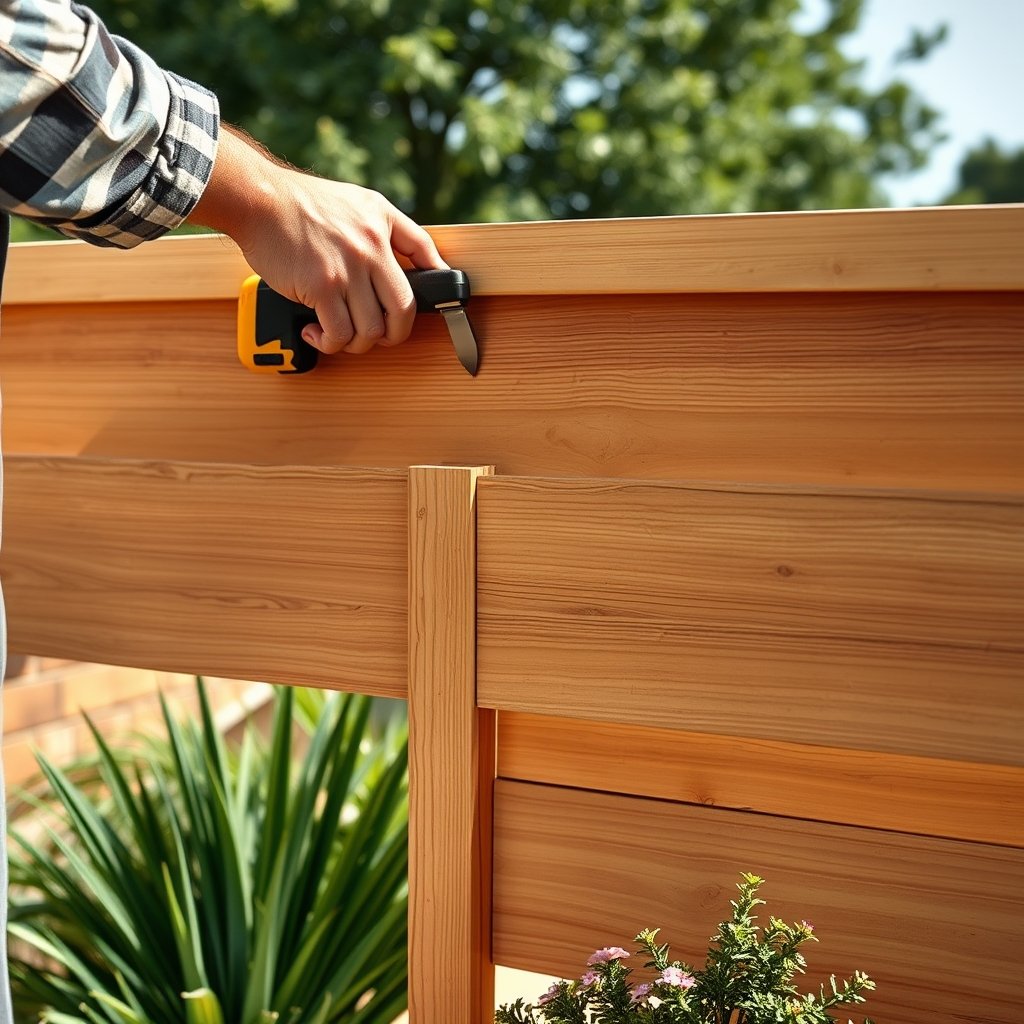
Quick-win privacy solutions like these are ideal for renters, busy professionals, or anyone tired of permit drama. They’re the outdoor equivalent of easy home upgrades like limewash paint or AI room planners for interiors—you get an instant transformation without major commitment or cost.
Types of outdoor privacy screens — materials, look and best use
The market is packed with options—each with trade-offs for style, lifespan, and ease of use. Here’s a quick breakdown for patio privacy wall and balcony screen panels solutions:
| Material | Look & Finish | Wind Resistance | Longevity | Best Location |
|---|---|---|---|---|
| Fabric/Mesh | Lightweight, colors/patterns | Low-Medium; can billow | 1-3 yrs (may fade/tear) | Balcony, temporary shade |
| Vinyl | Modern, clean, various colors | Medium-High | 5-10 yrs | Yard, patio, balcony |
| Composite | Wood-look, sleek panels | High | 10-20 yrs | Permanent/seasonal screens |
| Wood Slats | Natural, rustic, stylish | Medium | 3-7 yrs (needs sealing) | Yard, garden, patio |
| Metal Panels | Modern, patterns, cut-outs | High | 10+ yrs (if coated) | Wind-prone yards, patios |
| Living Green Wall | Leafy, wild, lush | Low-Medium (depends on density) | Varies, requires care | Patio, shade side of balconies |
Consumer reports and feedback consistently flag issues with some lower-end fabric and mesh screens: insufficient wind durability, fading, and short UV lifespan. Composite and vinyl options may cost more upfront but often give you fewer headaches later. For inspiration, read this outdoor privacy screen material roundup.
If durability is your priority, composite and vinyl patio privacy wall panels usually win—and can be a smart investment, much like splurging once on a quality hybrid water heater for peace of mind.
How to choose the right solution for your space (decision framework)
Before buying, check off these criteria to avoid regret:
- Permanence vs. Portability: Will you want to move, upgrade or remove the outdoor divider in 1–3 seasons?
- Wind Exposure: Are you dealing with strong gusts or only light breezes? (Choose metal or composite for high-wind zones.)
- Privacy Height Needed: What’s the minimum height that blocks neighbors’ sight lines?
- HOA/Permit Constraints: Review all community rules before buying. Many yards have strict height or attachment rules for any garden privacy fence or similar screens.
- Maintenance Tolerance: Are you willing to clean, seal or re-anchor each season?
- Budget: Factor in upfront and replacement costs—a cheap mesh screen is attractive until you have to replace it twice.
- Style Fit: Should your screen blend with the house, landscaping, or patio furniture?
Data shows that homeowners choosing flexible, low-maintenance screens are often balancing smaller lot sizes, temporary living, or restrictive HOA limits—driving the continued popularity of portable solutions over permanent builds.
Installation dos and don’ts — fast installs that stay put
Correct installation keeps your patio privacy wall or balcony screen panels looking great and safe in bad weather. Follow these fast tips for a smooth, compliant project:
- Do: Use ground stakes, weighted planters, or bracket mounts for freestanding screens on patios or lawns.
- Do: Use rustproof brackets or tension rods for balcony railings—always check load limits so you don’t over-tighten and damage the railing.
- Do: Add wind-slits or select mesh/fabric that allows airflow to reduce gust damage.
- Don’t: Exceed city or HOA height limits—measure from the lowest ground point!
- Don’t: Bolt screens into shared walls or fences without permission. Opt for standalone systems or attach to your own property line.
- Do: Re-check and re-tension after storms or every few months—loose fasteners are one of the most common complaints.
Need a smart device to monitor for water issues when installing in damp areas? Read our smart leak detector buying guide for peace of mind.
One of the most frequently reported problems is panels coming loose or shifting after windstorms. Don’t skip anchoring, or you may be chasing your screen halfway down the block!
Common complaints and practical fixes
Here are the most reported issues with outdoor privacy screen and patio privacy wall products—and easy fixes you can implement today:
- Wind Damage: Anchors, weights, and wind-slits make any outdoor divider more storm-proof.
- Fading or UV Loss: Purchase only UV-rated fabrics or invest in composite/vinyl for multi-year brightness.
- Poor Aesthetics: Mix materials, stagger heights, or add planters and lighting for a designer finish.
- Height/Permit Headaches: Stick to freestanding screens under HOA limits, or use tall planters as a “living wall” privacy fence.
- Attachment/Fastener Issues: Opt for tool-free, modular mounting systems and set a reminder to check tension seasonally.
These common issues mirror user frustrations highlighted in recent home improvement market reports. Choosing smart designs helps avoid repeat projects and disputes with neighbors or landlords.
Three DIY/modular projects that competitors miss (detailed how-to)
Want something that’s both unique and ultra-practical? These three detailed backyard privacy ideas deliver maximum impact with minimum construction and are rarely covered by competitors:
1. Living Vertical Garden Wall on a Freestanding Frame
- Materials: Weatherproof frame kit (aluminum/composite), wall-mounted planter pockets or trays, soil, assorted fast-growing vines, drip irrigation (optional).
- Cost: $120–$400 depending on size/materials.
- Time: 2–4 hours.
- How to: Assemble frame, mount planter pockets, fill with dense plants, and anchor securely with brackets or weights. Layer trailing vines near the top for fastest coverage.
2. Modular Pergola with Integrated Retractable Screen Panels
- Materials: Pre-cut pergola kit (aluminum/composite), retractable mesh/vinyl outdoor privacy screen, mounting hardware, telescoping legs (optional for uneven ground).
- Cost: $300–$900.
- Time: 4–6 hours (2 adults recommended).
- How to: Build pergola frame, attach screens to slide rails, tension securely, and anchor legs with heavy-duty stakes or concrete pads if needed. Open/close panels as privacy or sun changes.
3. Repurposed Shipping Container or Timber Module (Hidden Bench + Storage)
- Materials: Half-height recycled shipping container or large timber planter boxes, bench cushions, interior storage bins, exterior cladding panels for aesthetics, locking casters (optional).
- Cost: $250–$700 (using reclaimed materials saves money).
- Time: 3–5 hours.
- How to: Clean/paint the structure, add hinged lids or seating, line inside with bins or weatherproof fabric, and dress exterior with bamboo or stain to match your décor. Roll into place or mount as a permanent fixture along your property line.
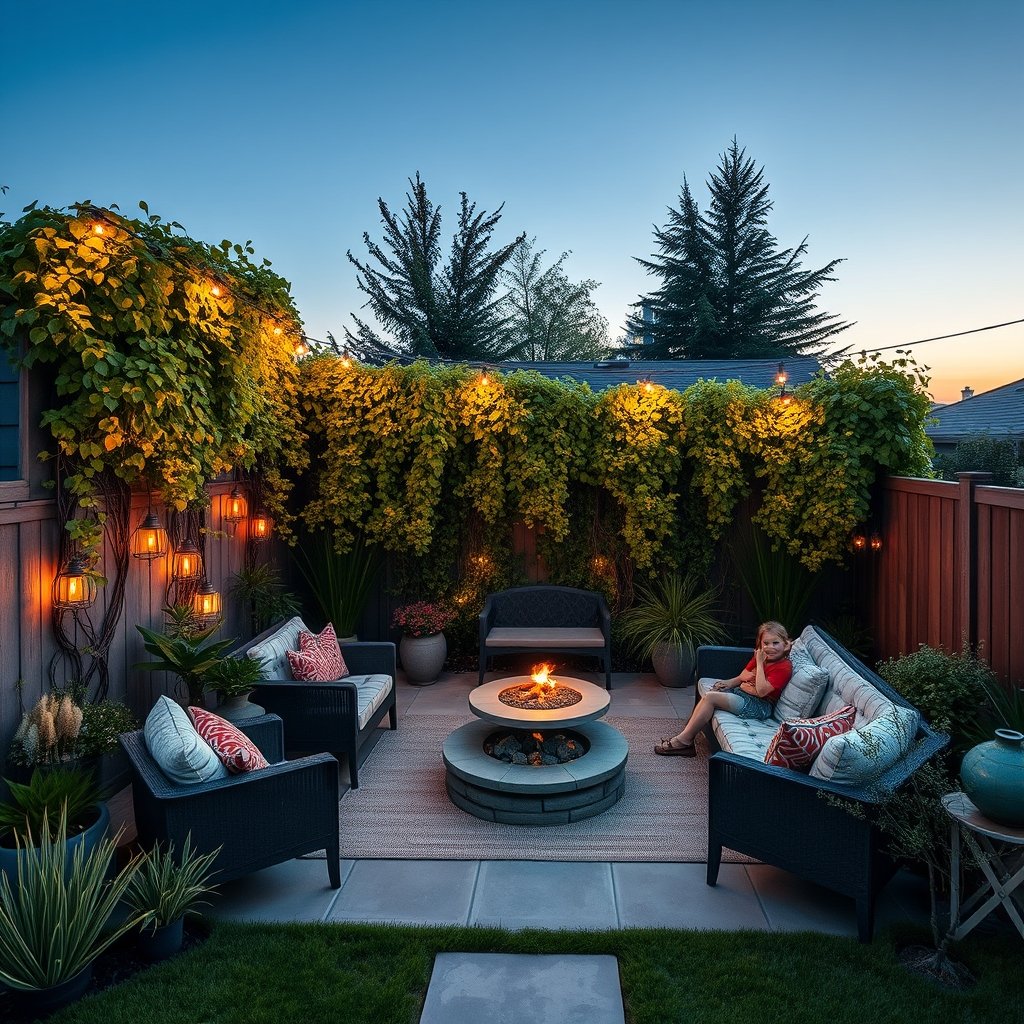
Each of these outdoor divider ideas brings real value by combining privacy, storage, and a fresh modern style—perfect for homeowners with tight timelines, limited spaces, and plenty of creativity.
Maintenance, lifespan and cost trade-offs
Here’s how the main privacy screen materials stack up for durability, care, and replacement costs:
- Fabric/Mesh: Replace every 1–3 years; low upfront cost ($20–$100) but may fade rapidly and tear in wind. Wash seasonally.
- Vinyl: Costs $50–$200 per kit, typically lasts 5–10 years. Occasional cleaning only; holds color well.
- Composite: Higher initial cost ($150+ per panel), but best 10–20 year lifespan, needs only light cleaning. Less landfill waste over time.
- Wood: Classic and stylish, but requires staining/sealing each year to prevent rot/fading. 3–7 year lifespan.
- Metal: Expensive ($200+) but ideal for high-wind areas. Needs rust-resistant coating. Over 10 years if maintained.
While up-front savings are tempting, many busy homeowners regret going “cheap”—fabric or thin mesh often need replacing after a single rough season. Composite and vinyl patio privacy wall panels, by contrast, deliver minimal maintenance and top value over a decade.
See examples here.
If you’re considering other low-upkeep, high-durability upgrades, our solar pergola buying guide is a good follow-up read.
Permits, HOA rules and neighbor-friendly strategies
You can save hours and many headaches by double-checking these before you install any garden privacy fence or balcony screen panels:
- Always check city codes and HOA rules for allowed max-height, material, and attachment rules for anything on a shared property line—or visible from the street.
- Freestanding and planter-based screens under 6 feet are often classified as temporary and skip permit requirements in most urban/suburban towns. Always confirm.
- Neutral, earthy colors and living greenery are less likely to trigger neighbor objections or HOA complaints vs. bright or reflective panels.
- Show your plan to neighbors ahead of installation—especially if you are close on property lines or in attached housing. It builds goodwill!
- If you need a temporary or renter-friendly solution, avoid fasteners that damage structures. Use tension rods or brackets that clamp without drilling.
Recent statistics confirm HOA limits help drive 30% of homeowners to choose screens instead of permanent fences. For neighbor-friendly privacy, landscaping or planter-wall combos get high marks in cities and HOA communities. For more permit-free design ideas, explore our guide to removable, seamless finishes indoors.
Where to buy, product picks and quick budget guide
Ready to purchase? Options cover all needs and price points:
- Big Box Retailers: Best for mainstream mesh and vinyl outdoor privacy screens under $100. Look for seasonal sales.
- Specialty Suppliers: Offer premium composite, metal, or custom modular units.
- DIY Kits: Home improvement stores and ecommerce giants offer living wall, planter, or pergola kits starting at $40.
- Prebuilt/Custom: If your lot’s awkward or you want one-piece style, local fence companies can build moveable privacy modules for you.
Bestseller lists on Amazon and major retailers confirm that vinyl and mesh screens are popular for instant results, but most long-term buyers and user reviews give better marks to composite panels for lasting value and minimal maintenance. Choose based on how long you want your outdoor privacy screen to last—and how little work you hope to do in the future.
Inspiration gallery + 1-page decision checklist (CTA)
Visualize your space—here are 8 fast inspiration setups:
- Foldable white vinyl panel on a townhouse patio with solar string lights.
- Living wall of ferns in modular planter boxes along a balcony rail.
- Colorful outdoor curtains pulled aside on a breezy apartment balcony.
- Slim bamboo rolls attached to an old chain-link fence, surrounded by potted trees.
- Steel lattice privacy screen planted with climbing roses.
- Repurposed wooden benches with tall slat screens doubling as both storage and privacy.
- Modular pergola with retractable mesh panels for a chic, covered reading nook.
- Freestanding composite divider flanking an outdoor dining set for cozy dinners.
Printable 1-Page Outdoor Privacy Screen Checklist:
- Take precise measurements of the required area and desired height.
- Check city, HOA, or rental rules on screens/fence height and allowed attachment methods.
- Decide portability: permanent, seasonal, or fully moveable?
- Pick material (consider sun, wind, pets, lifespan needs).
- Choose style and colors to match your outdoor décor
- Ensure you have required anchors/brackets or planters.
- Install and double-check for stability after first windy day.
About 30% of homeowners are already using outdoor privacy screens in 2024—explore your options today for a space that feels secluded, stylish, and stress-free. Ready to reclaim your backyard or balcony? Start with a quick measurement and let this guide walk you through the best next steps.
FAQ
Can I install an outdoor privacy screen if I rent or live in an HOA?
Yes! Freestanding screens, tension-rod outdoor curtains, and planter-based dividers usually don’t require drilling or permanent attachment. Always check your lease and HOA rules before any installation.
What’s the fastest privacy solution for small balconies?
Weatherproof mesh or vinyl balcony screen panels with zip ties, clamps, or tension rods install in under 30 minutes—no tools or heavy lifting required.
How do I stop my screen from falling over in wind?
Use weighted planters, ground stakes, or anchor kits designed for your material. Wind-slits also help reduce pressure in strong gusts.
Will my privacy screen fade or need replacing?
Lower-priced mesh or fabric screens can fade in 1–2 years, especially facing full sun. Composite, vinyl, and UV-rated panels offer much longer color life—5–20 years with simple cleaning.
Do I need a permit to add a tall patio privacy wall?
Many cities and HOAs limit privacy screens or walls to around 6 feet high. Temporary, freestanding options under that height rarely require permits but always confirm before starting.