

### Blog Post:
Bidet toilet attachment upgrades are transforming how families and caretakers approach bathroom hygiene, eco savings, and household budgets — with surprisingly quick returns and very real benefits if you know what to look for.
Key Takeaways
- A quality bidet toilet attachment can cut toilet paper use by up to 75%, saving the average family $170–$200 every year.
- Modern smart bidets use only 0.5–1 gallon of water per use, far less than the “hidden” water needed to produce toilet paper — making this a true eco bathroom product.
- Installation and maintenance are simple if you know the main pitfalls: T-valves, outlets for electric models, and periodic manual cleaning make all the difference.
- Why a bidet toilet attachment or smart bidet is the upgrade to buy now
- How bidets actually save money (simple ROI you can calculate)
- Water use and environmental impact — the real numbers
- Hygiene benefits beyond “less TP” (what most articles skip)
- The three overlooked eco/hygiene features competitors miss (unique selling points to call out)
- Common user complaints — what to expect and how to avoid them
- Installation & compatibility checklist (renters vs homeowners)
- Comfort & feature guide — what really matters for daily use
- Maintenance and longevity — realistic upkeep expectations
- Product recommendations & buyer scenarios (fast picks by use case)
- Quick troubleshooting guide (leaks, weak pressure, limescale)
- Final verdict & 30/60/90-day action plan for buyers
- Shopper’s checklist (one printable/skim-able list)
- FAQ Section
Why a bidet toilet attachment or smart bidet is the upgrade to buy now
If you want a bathroom hygiene upgrade that pays for itself, a bidet toilet attachment or smart bidet is the one buy that can immediately reduce recurring costs and your family’s environmental impact. On a practical level, switching from toilet paper to a bidet cuts household tissue use by about 75%. For a typical four-person home, that slashes annual spending from $250–$300 to just $70–$80, yielding real yearly savings of $170–$200 (source).
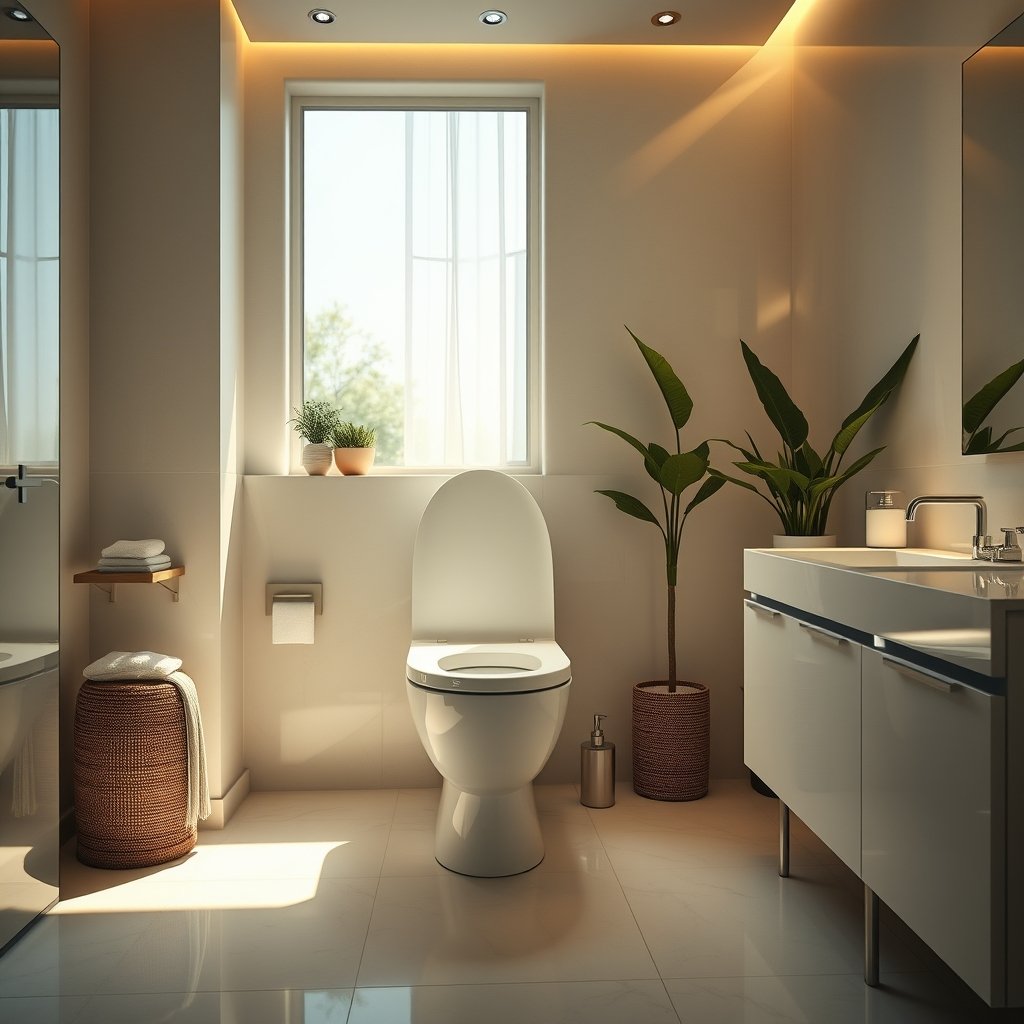
Smart bidets now offer luxury features like heated seats, adjustable spray, Eco-Mode, and even nozzle sterilization with UV-LED or ozone tech. These aren’t just comfort upgrades — they produce measurable economic and health returns for both homeowners and eco-minded renters.
Even if you’re on a tight budget, basic attachments start at $30–$60 and install in under an hour, while full-featured electric smart bidet seats range from $200–$600 (with the payback period often under 12 months in TP savings alone). For anyone considering a home or rental bathroom refresh, this is simply the fastest route to lower waste and better hygiene.
How bidets actually save money (simple ROI you can calculate)
Bidet for toilet upgrades typically pay for themselves within the first 6–12 months — especially for families. Here’s the breakdown so you can check your own math:
- Average toilet paper spending, family of 4: $250–$300/year
- With a smart bidet or bidet toilet attachment: $70–$80/year (by reducing 75% TP usage)
- Annual savings: $170–$200
- Device cost range: $35 (manual attachment) – $600 (heated smart seat with dryer, UV, multiple presets)
Example calculation:
- Family of 4: $200 saved per year – $100 (average smart seat cost) = payback in about 6 months.
- Renter/solo occupant: $80–$100/year saved, $35–$70 for a basic attachment = payback typically in 6–9 months.
This math holds up when you consider longer-term savings — a family could see over $1,000–$3,000 in five years (source).
Need more energy savings? Consider pairing a heated bidet seat with a hybrid water heater for next-level eco bathroom synergy.
Water use and environmental impact — the real numbers
Some worry bidets waste water. In reality, the opposite is true. A typical bidet toilet attachment or smart bidet uses about 0.5–1 gallon of water per use — adding up to 150–200 gallons per person/year. Contrast this with the roughly 300 gallons of “hidden” water annually (per person) in the toilet paper manufacturing process (for pulp, bleaching, and transportation).
- Bidet water use: 150–200 gallons/person/year
- Paper manufacturing footprint: ~300 gallons/person/year
- Net environmental benefit: Bidet wins, using less direct water and far less energy for pulp/paper shipping.
Many modern eco bathroom products feature Eco-Mode options to reduce even this minimal water use by up to 30%, further sharpening the eco case (source).
If sustainability is a priority, smart bidet adoption is arguably the single simplest way to shrink your bathroom’s daily environmental footprint.
Want more ideas for a low-waste bathroom? Explore materials like microcement for bathrooms and see our picks for limewash paint for a full eco-friendly home refresh.
Hygiene benefits beyond “less TP” (what most articles skip)
Switching to a smart bidet is more than just about reducing waste. Water cleans more thoroughly than paper, leading to better hygiene and less irritation. Research finds that wiping alone often leaves behind residue, while continuous water flow from a bidet toilet attachment removes waste more completely — lowering bacterial presence and lowering infection risks (source).
- Families with seniors or young children notice fewer cases of rashes and discomfort.
- The gentle spray reduces physical strain for those with limited mobility, making daily hygiene easier.
- Certain smart bidet seats now include built-in UV-LED or ozone sterilization — actively disinfecting the nozzle after every use, further reducing microbial contamination (many competitor reviews omit this next-level feature).
If you want a bathroom hygiene upgrade that does more than just cut paper waste, focus on models with automatic nozzle cleaning and sterilization tech — not all have these!
The three overlooked eco/hygiene features competitors miss (unique selling points to call out)
Choosing the right bidet toilet attachment or heated bidet seat can unlock unique eco and health benefits that aren’t obvious in sales copy:
- Eco-Mode Water Trimming: Look for Eco-Mode! This setting can cut per-use water by up to 30% and is a must-have in dry regions or for eco bathroom enthusiasts.
- UV/Ozone Nozzle Sterilization: Nozzle self-cleaning isn’t all created equal. The best smart bidet seats add built-in UV-LED or ozone sterilizers, actively neutralizing bacteria between uses. Skip models that only “rinse.”
- Pipe & Sewer Benefits: Using less paper means less downstream sewage blockage, fewer pipe repairs, and less chemical runoff in city water systems (source). This is both a household win and helps reduce strain on municipal wastewater treatment.
When comparing options, prioritize these advanced features — they’re more important than flashy remotes or shell colors.
Common user complaints — what to expect and how to avoid them
Every bathroom upgrade has pain points. Here’s what frequently causes issues after buying a bidet for toilet:
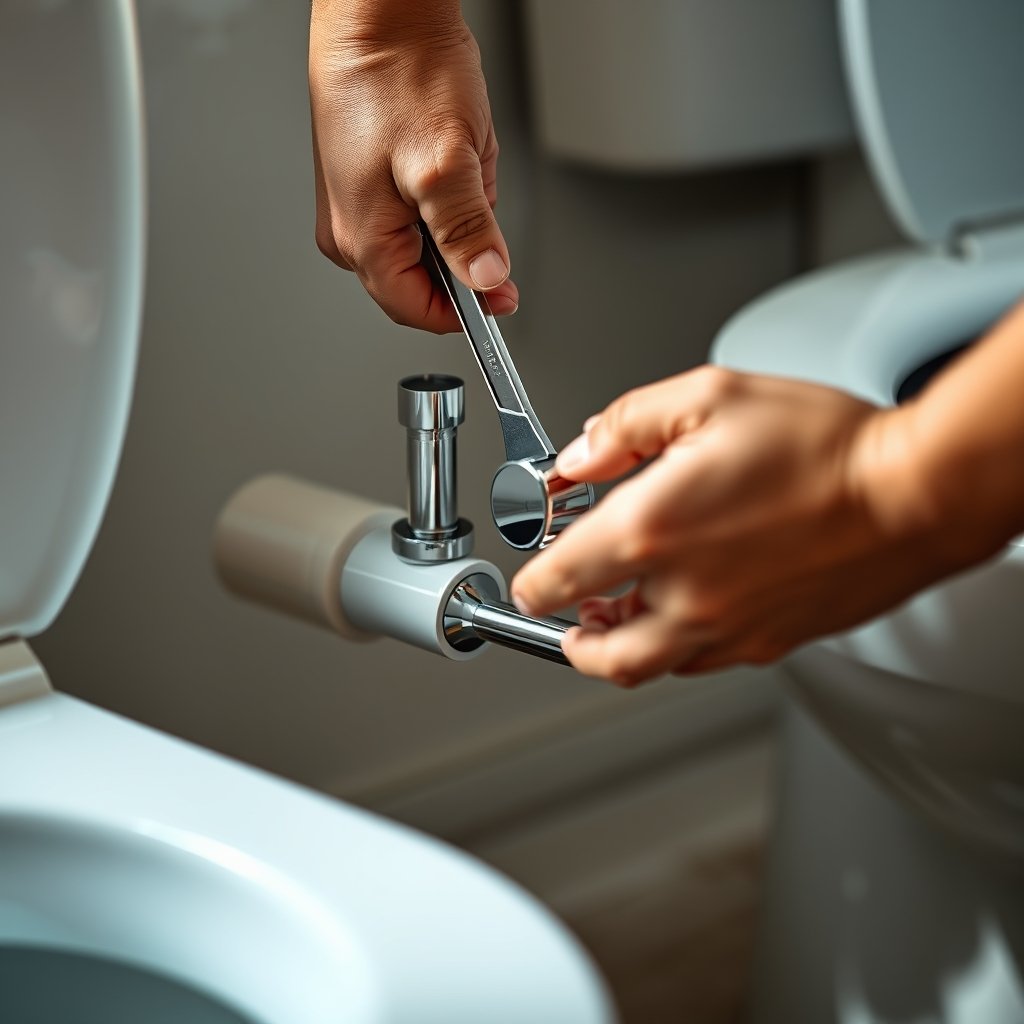
- Installation hassles: Most attachments require a T-valve added to your toilet’s water supply. Leaks happen if fittings aren’t aligned/tightened properly.
- Electric model headaches: Heated seats and dryers need a nearby GFCI outlet — running an extension cord isn’t code-compliant or safe.
- Comfort limitations: Budget models may offer only cold-water washes, with limited nozzle adjustment or weak/surprisingly strong spray pressure.
- Limescale/maintenance: “Self-cleaning” nozzles often reduce but don’t prevent limescale or bacterial buildup, especially in hard water areas. A quick manual clean every 2–4 weeks avoids most issues.
Smart shoppers look for brands with robust installation instructions, Teflon tape included, and easily-adjusted spray/nozzle settings. For a superior bathroom hygiene upgrade, invest in a model specifically designed for your region’s water quality and toilet style.
Installation & compatibility checklist (renters vs homeowners)
Before buying, run through this checklist. Skip steps at your own risk:
- Toilet type: Most bidet toilet attachments fit standard two-piece toilets. Compact, one-piece styles may require a compatible bracket.
- Plumbing: Every attachment needs adding a T-valve at the fixture’s supply line. Ensure you have a braided flex hose if swapping out an old one.
- Electric models: Heated bidet seat or smart bidet? Check for a GFCI outlet within 3 feet of the toilet. No outlet? Either call a pro, or pick a non-electric option.
- Renters: Choose non-electric, tool-free installs and save your original seat and plumbing parts.
- Homeowners: If you want integrated bidet toilet units, budget for possible flooring/pipe work and consider hiring a plumber for best results.
See more rental-friendly projects like peel and stick backsplash for quick upgrades without risking your deposit.
Commonly reported installation issues: occasional leaks from imperfect fittings; outlet requirement for electric models; T-valve confusion. If you’re replacing old fixtures, photograph your setup before disassembly for easier reversals.
Comfort & feature guide — what really matters for daily use
For most users, key features dramatically improve daily comfort (and are worth paying for):
- Heated bidet seat: Essential for winter. Basic seats stay ambient, but electric models warm up fast.
- Adjustable spray pressure and nozzle angle: Allows every family member to find a comfortable, effective wash. Avoid models with only one or two weak options.
- Warm water: Entry-level units offer only cold water. Models with built-in tanks or on-demand heaters ensure warm washes anytime — with tanks offering instant warmth and on-demand systems saving energy with short heat-up delay.
- Fan dryers: Ditch most paper entirely with built-in warm air dryers (premium feature).
Comfort pain points most often cited: cold-water starts (especially by families in northern climates) and limited adjustability. For upgraded daily hygiene, a smart bidet with a heated seat and adjustable nozzle is the way to go. Need full accessibility? Consider models with easy buttons and memory presets for seniors or kids (source).
Maintenance and longevity — realistic upkeep expectations
Expect to spend 10–15 minutes per month on upkeep for a bidet toilet attachment or smart bidet. Here’s what to plan for:
- Basic maintenance: Manual nozzle wipe-down every 3–4 weeks, especially in hard water areas. Most “self-cleaning” features rinse – genuine sterilization is rare and worth seeking out.
- Descaling: In hard water areas, soak/removable tips in vinegar every 2–6 months to avoid limescale buildup that affects spray pattern.
- Filter cleaning: Some models have inlet filters — check and rinse every few months.
- Electronics: Electric units last years if outlets are dry/protected. Expect motor or sensor repairs after 4–7 years; battery-powered models can need battery swaps every 6–12 months.
Frustrations users report: limescale despite “self-clean,” occasional sensor/motor issues, and the need to periodically wipe down exterior seat areas to prevent bacteria growth. Regular, simple cleaning solves 90% of issues.
Product recommendations & buyer scenarios (fast picks by use case)
Best for renters: Basic, non-electric bidet toilet attachment ($35–$60). Easy install, totally reversible. Main compromise: no heated seat, no drying, cold water only.
Best for families: Heated bidet seat with multiple user presets ($200–$350). Includes adjustable spray, heated seat, children’s wash, warm water, and soft-close lid. Payback ~6 months for a family of 4. Slightly longer install and outlet required.
Best for eco-minded: High-end smart bidet seat with Eco-Mode and UV nozzle sterilization ($350–$600). Most water- and energy-efficient, best hygiene. Higher upfront cost, payback 1–1.5 years (source).
Across all scenarios: A 75% drop in TP use means quick ROI and multi-year savings. Check product warranties (1–3 years are standard) and pick models with real user support for easier troubleshooting.
For budget-minded upgrades with serious daily impact, see our favorite garage gym flooring options — another high-ROI project with quick wins.
Quick troubleshooting guide (leaks, weak pressure, limescale)
- Leaks (at T-valve/hose): Turn off water, re-seat the hose, and use extra Teflon tape. Most leaks are from under-tightened or cross-threaded fittings.
- Weak spray pressure: Remove and rinse inlet filter; check for kinked hoses. City water pressure can also drop seasonally.
- Cold starts (electric): On-demand heaters need 30–60 seconds to warm the spray. Run a quick flush before use on winter mornings.
- Limescale buildup: Soak nozzle in white vinegar, scrub gently with an old toothbrush. For chronic issues, consider a whole-house water softener or more frequent cleaning.
- When to call a pro: If you see constant leaks after tightening, water pooling around the toilet base, or unreliable electronics, contact a licensed plumber or authorized repair agent.
For a completely waterproof bathroom — or to prevent larger leaks — consider adding a smart leak detector alongside your bidet for peace of mind.
Final verdict & 30/60/90-day action plan for buyers
Switching to a bidet toilet attachment or smart bidet is a practical, eco-friendly path to a cleaner, lower-waste home. Most households see a 75% reduction in toilet paper use, saving $170–$200 annually. With bidet water use at just 150–200 gallons/year (compared to 300+ gallons used in paper manufacturing), the environmental and cost payback is fast and measurable.
Your 30/60/90-day plan:
- Day 1–30: Track current TP use, inspect your toilet & plumbing, and select your preferred model.
- Day 31–60: Run first install, check for leaks, and test all spray/seat features. Set up user presets if available, especially for family or kids.
- Day 61–90: Track reductions in TP purchases, compare water bills, and run monthly quick-clean of your bidet unit for best hygiene.
Ready for the simplest bathroom hygiene upgrade you’ll ever make? Choose your bidet toilet attachment now — and enjoy the savings, comfort, and eco benefits all year.
Shopper’s checklist (one printable/skim-able list)
- Bidet toilet attachment or heated bidet seat compatible with your toilet type (2-piece, skirted)
- Check for required power (outlet for electric/smart models)
- Eco-Mode and UV/ozone sterilization included?
- Adjustable nozzle spray and angle for comfort
- Warranty (look for 1–3 years minimum)
- Annual expected TP savings ($170–$200/family of 4)
- Installation: T-valve, new supply hose, Teflon tape needed
- Maintenance: plan for monthly manual wipe-down, limescale descaling if hard water
Want to see other smart, quick home upgrades for savings and comfort? Explore our guides on solar pergola systems and AI room planning for more high-value improvements.
FAQ Section
How long does it take to install a bidet toilet attachment?
Most manual bidet toilet attachments install in 20–45 minutes with basic tools. Electric smart seats can take 1–2 hours if an outlet is nearby. Always shut off the water and test all fittings for leaks before finishing.
Do bidets really reduce toilet paper usage by 75%?
Yes. Research consistently shows households switching to a bidet cut TP purchases by about three quarters. You’ll still want a small amount for drying or guests, but the overall drop is dramatic.
Are bidets sanitary compared to toilet paper?
Water washes, especially with nozzle sterilization, remove waste more completely than paper. Many smart bidets include UV or ozone sterilizers for the nozzle, offering maximum hygiene after each use.
Will a bidet attachment fit my toilet?
Most bidet attachments fit standard two-piece toilets. Check product listings or measure between the mounting bolts to be sure. For one-piece or skirted toilets, look for models with flexible brackets or consult the brand’s compatibility guide.
What are the main maintenance tasks for a bidet?
Perform a manual nozzle cleaning every few weeks. In hard water areas, descale in vinegar several times a year. Check any inlet filter and wipe down the exterior regularly for best results. Even self-cleaning models will require some attention over time.
—